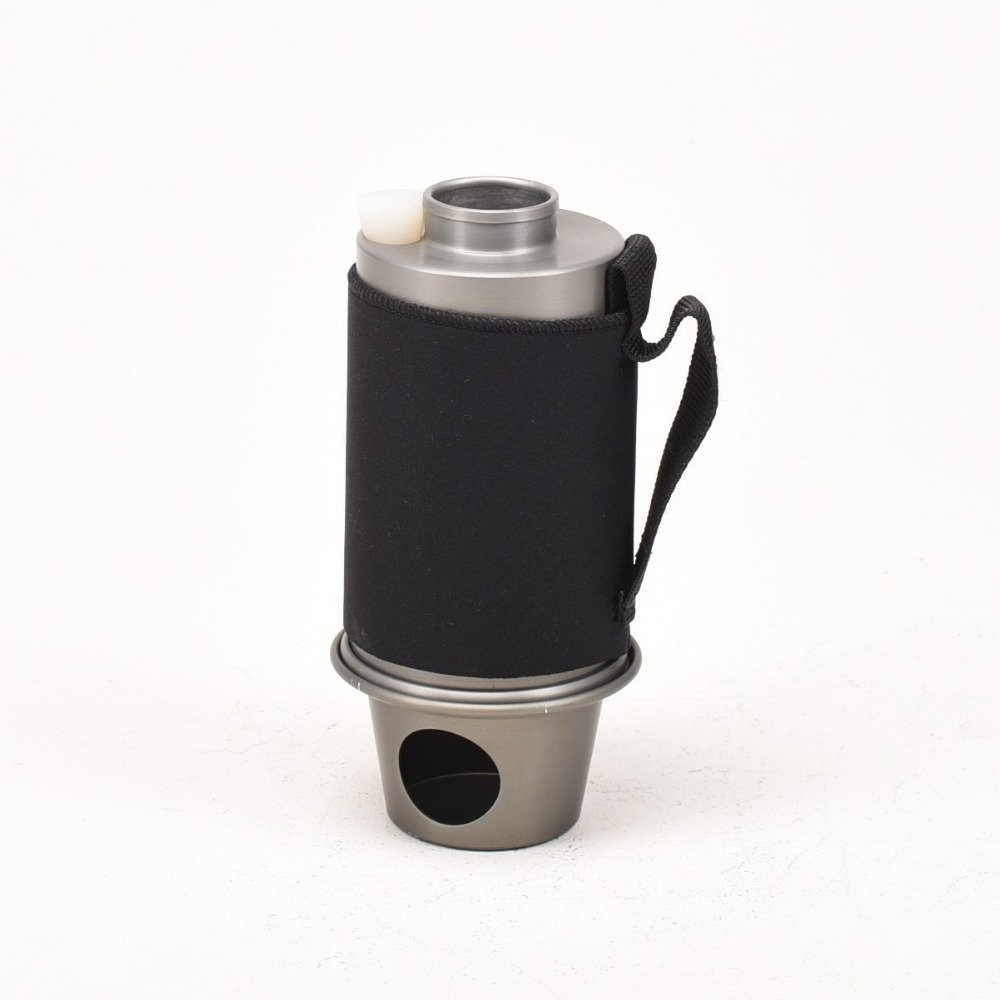
Ghillie Kettle MKETTLE - HARD ANODISED
Ghillie Kettle MKETTLE - HARD ANODISED
GKMKHA
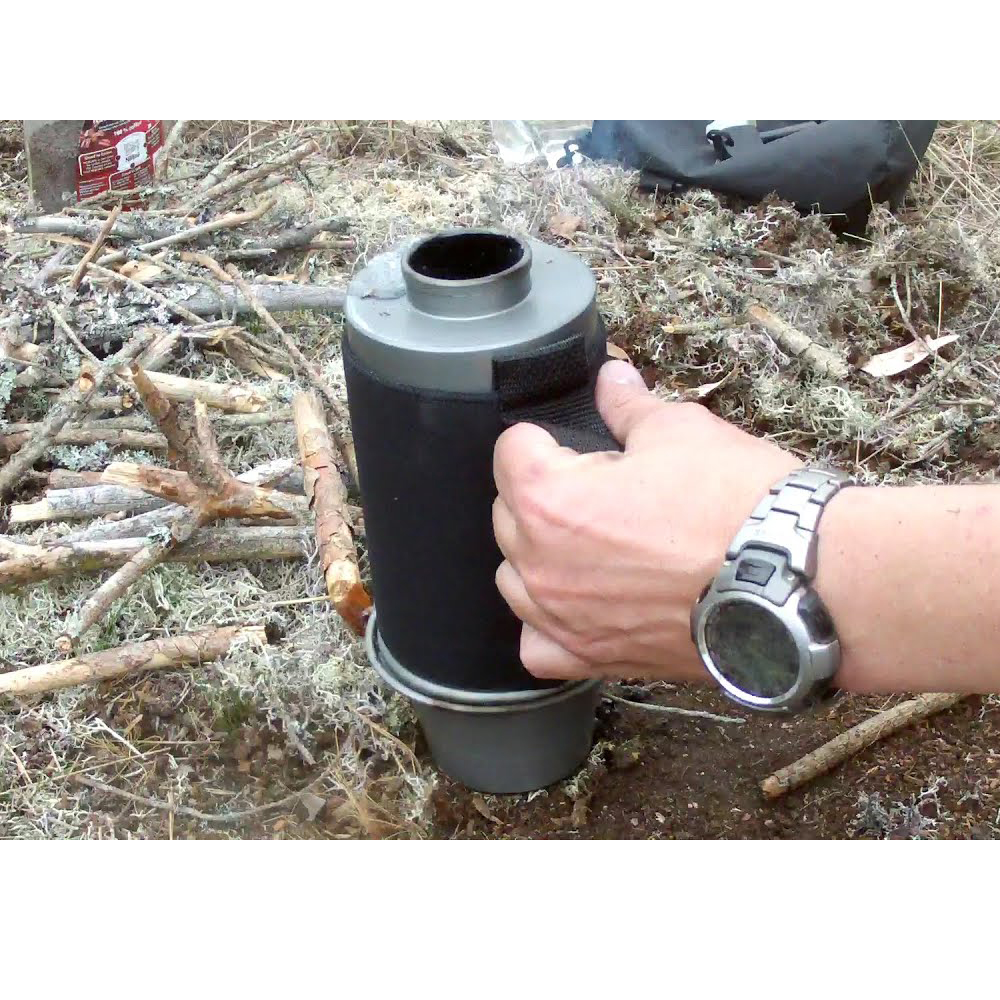
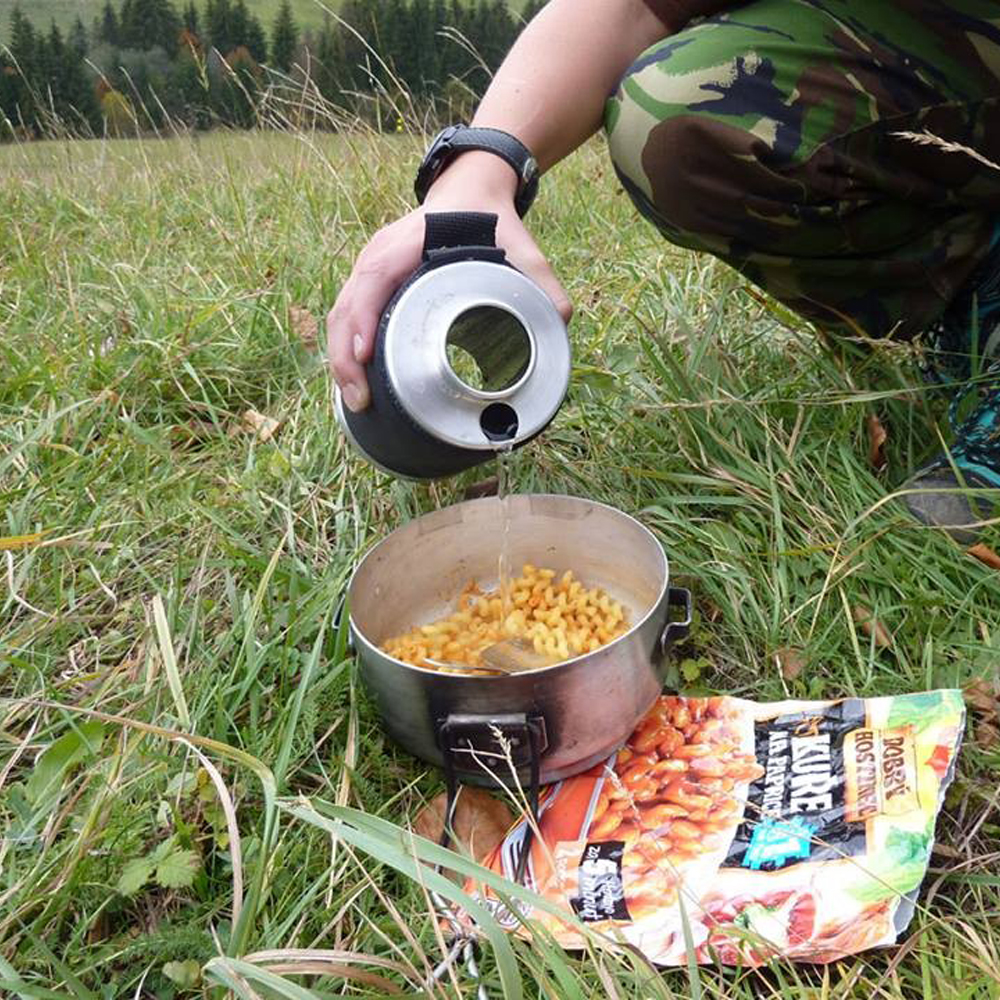
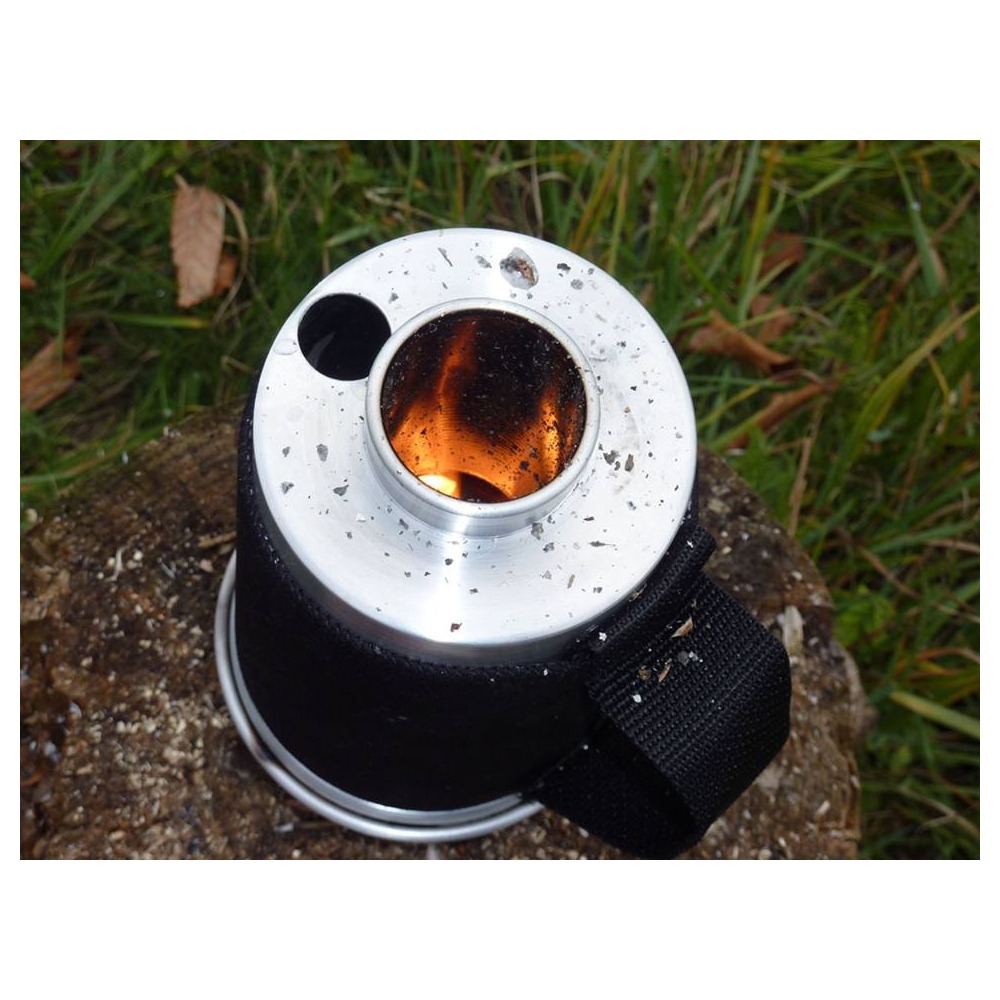
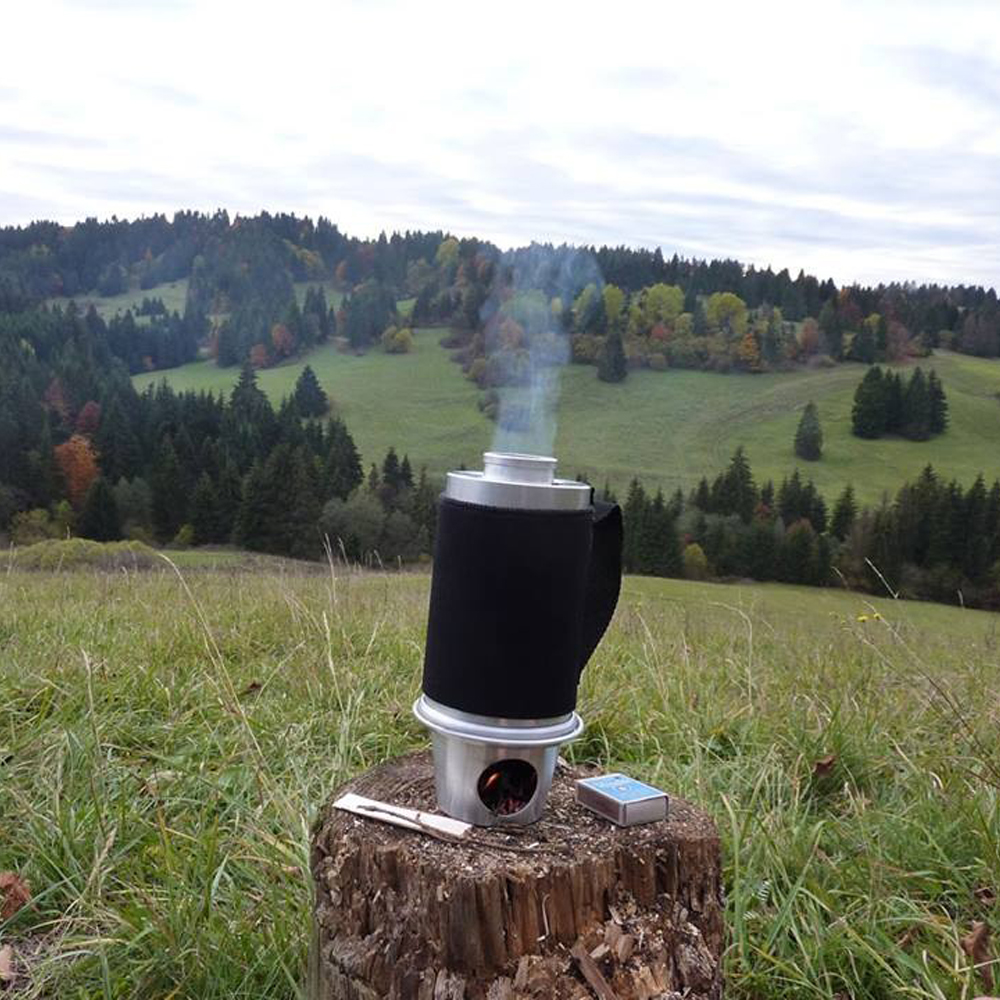
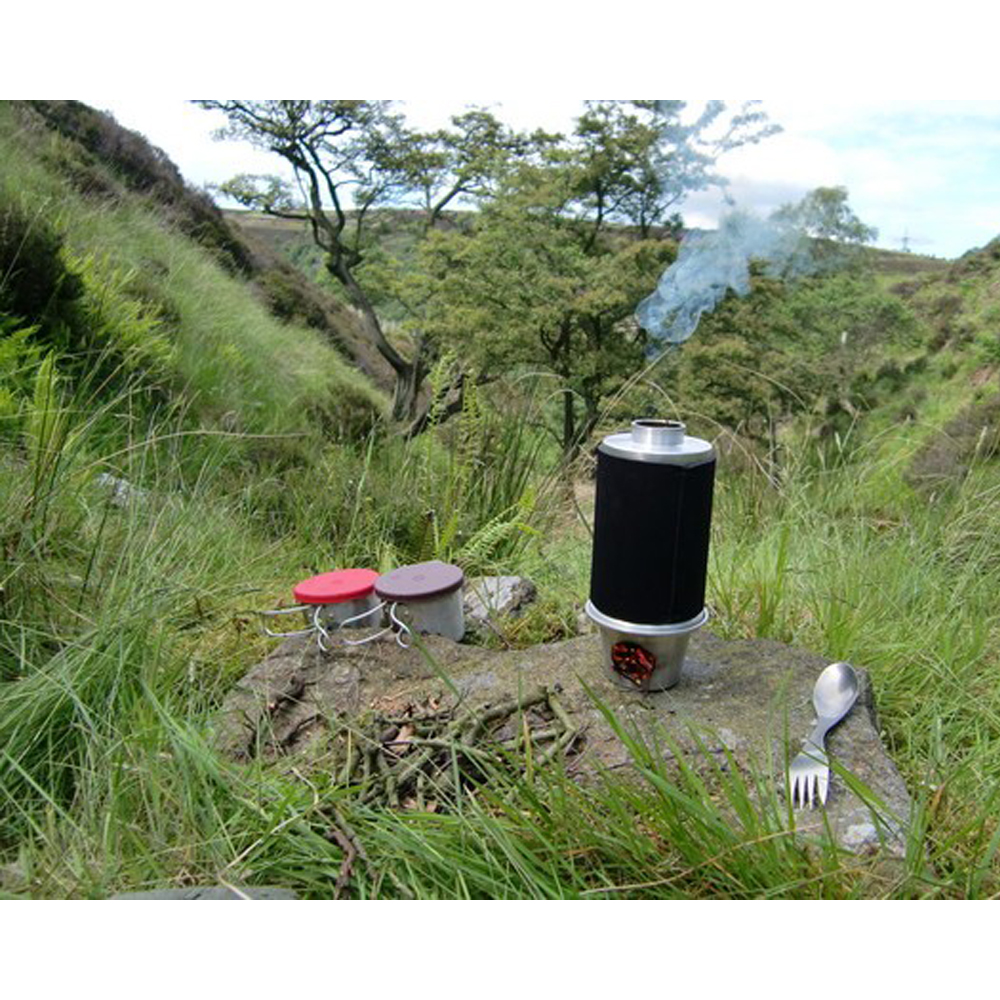
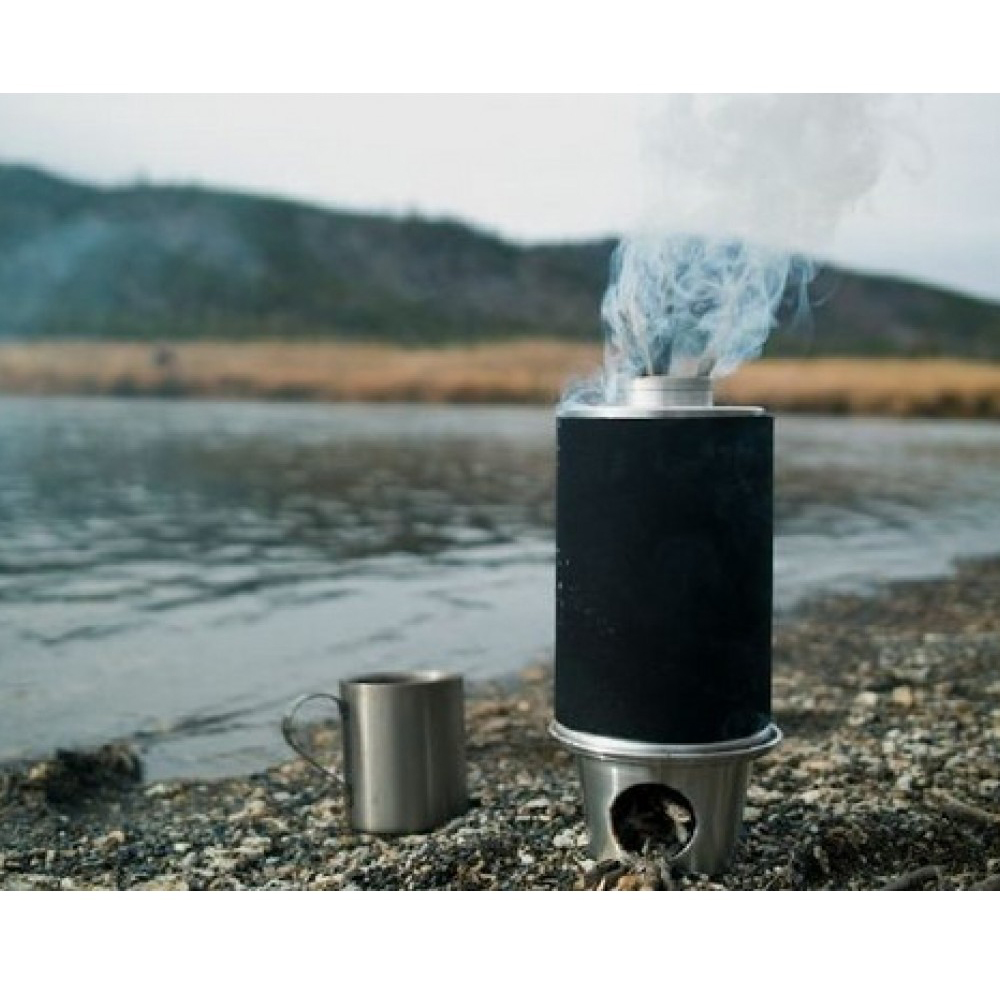
MKettle by Ghillie Kettles - a traditional Irish wood-fired kettle for camping, hiking, hunting, and fishing!
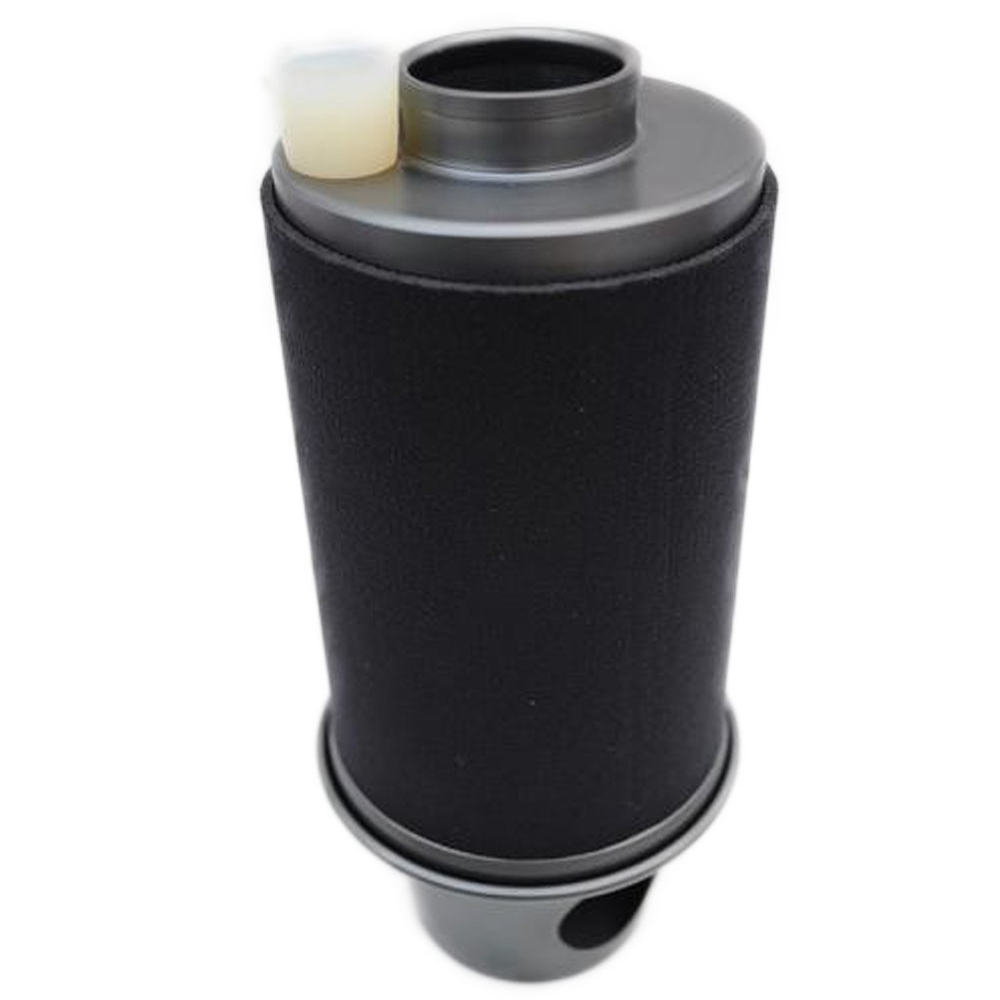
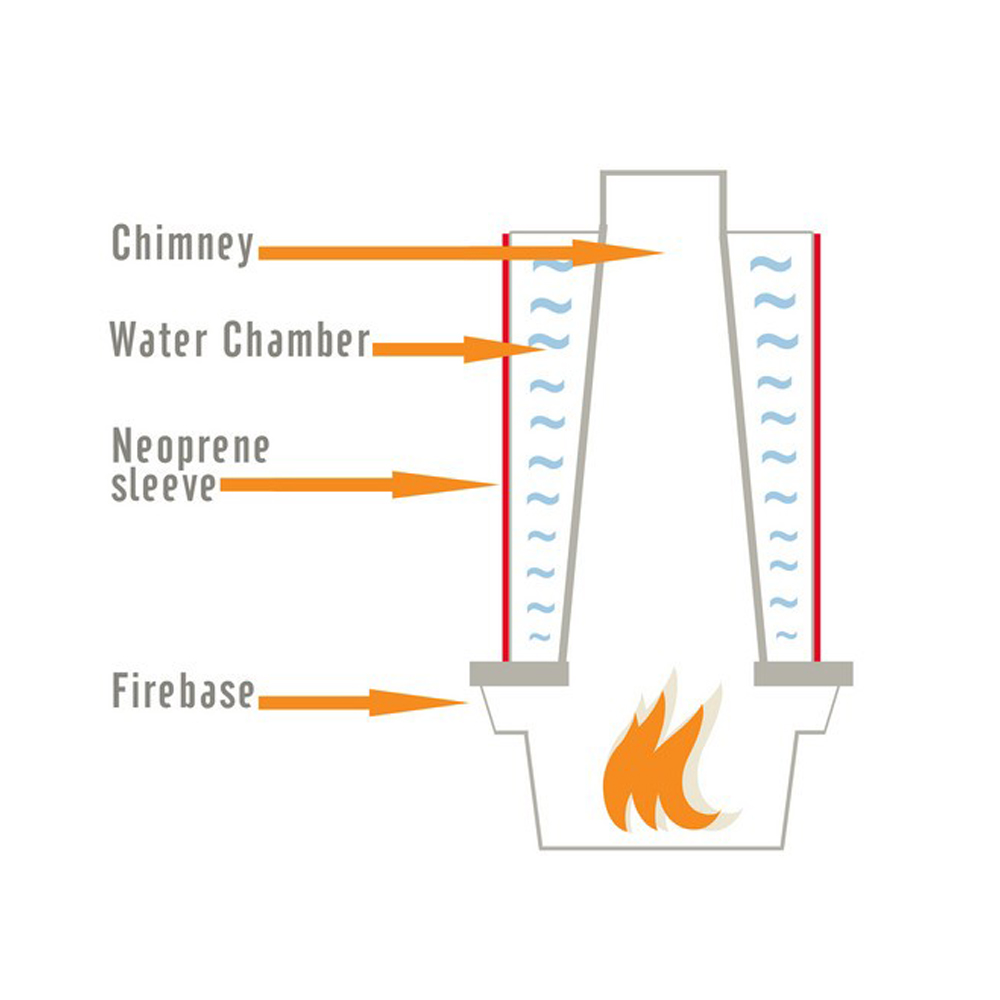
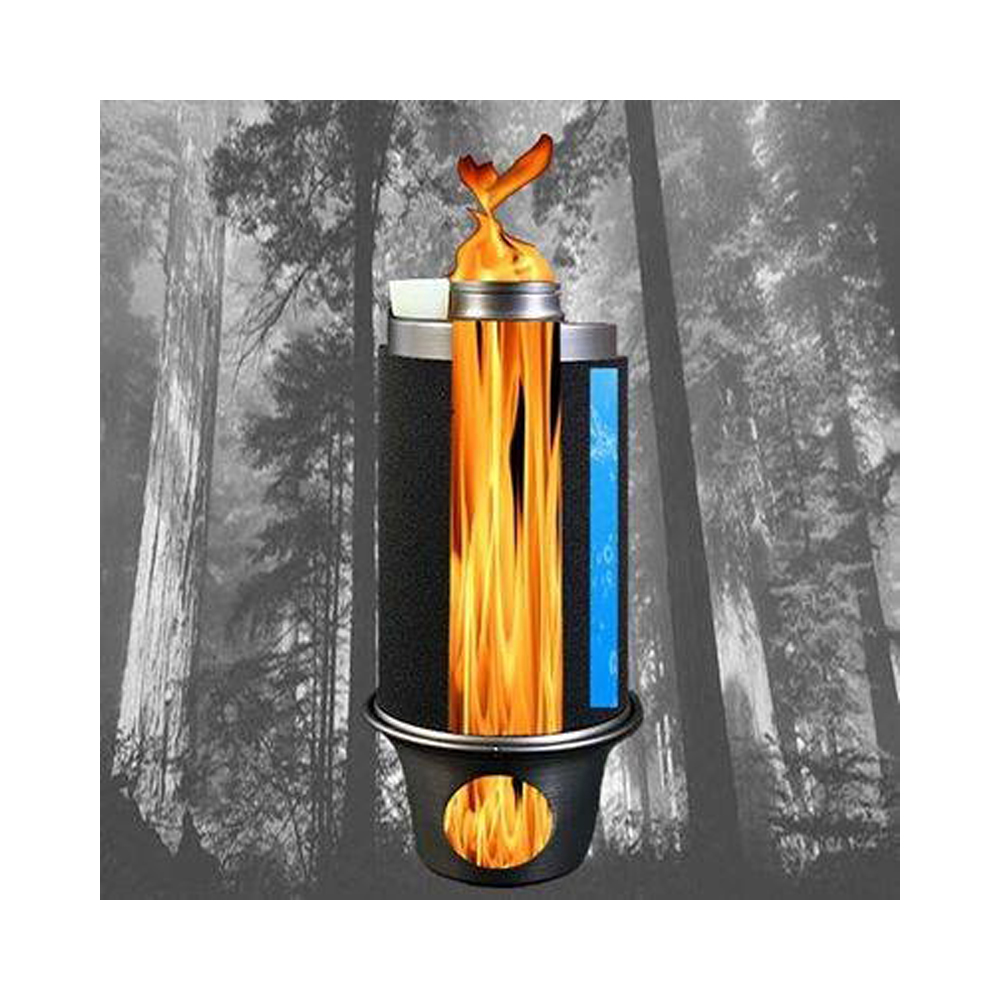
MKETTLE - the most compact double-walled kettle in the world!
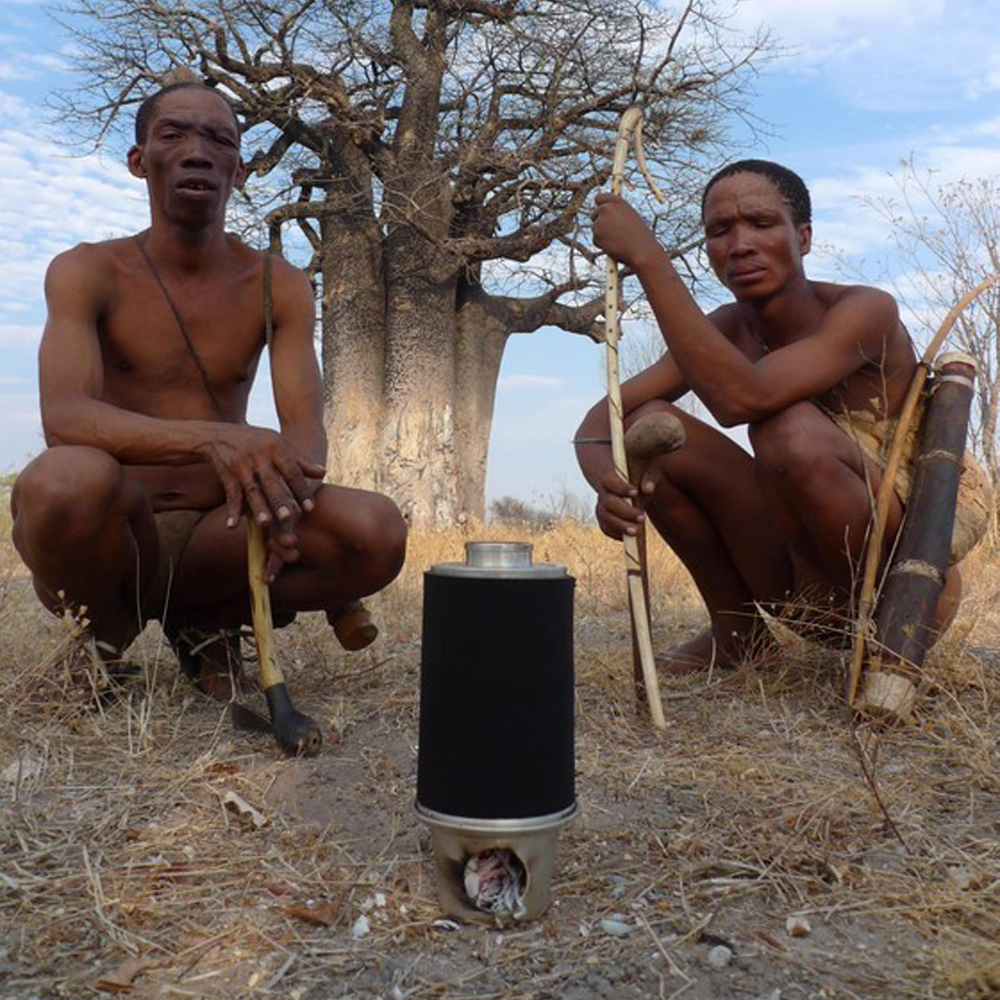
MKettle is proven in its field and is recommended by enthusiasts who spend long periods outdoors, cycling or canoeing/kayaking, camping, fishing, or hiking, where weight, size, and function are crucial.
Composition: Hard anodised aluminium, British Standard ISO10074: 2010
Weight: 370 g
Capacity: 530 ml
Dimensions: 17 cm high with a 10 cm diameter
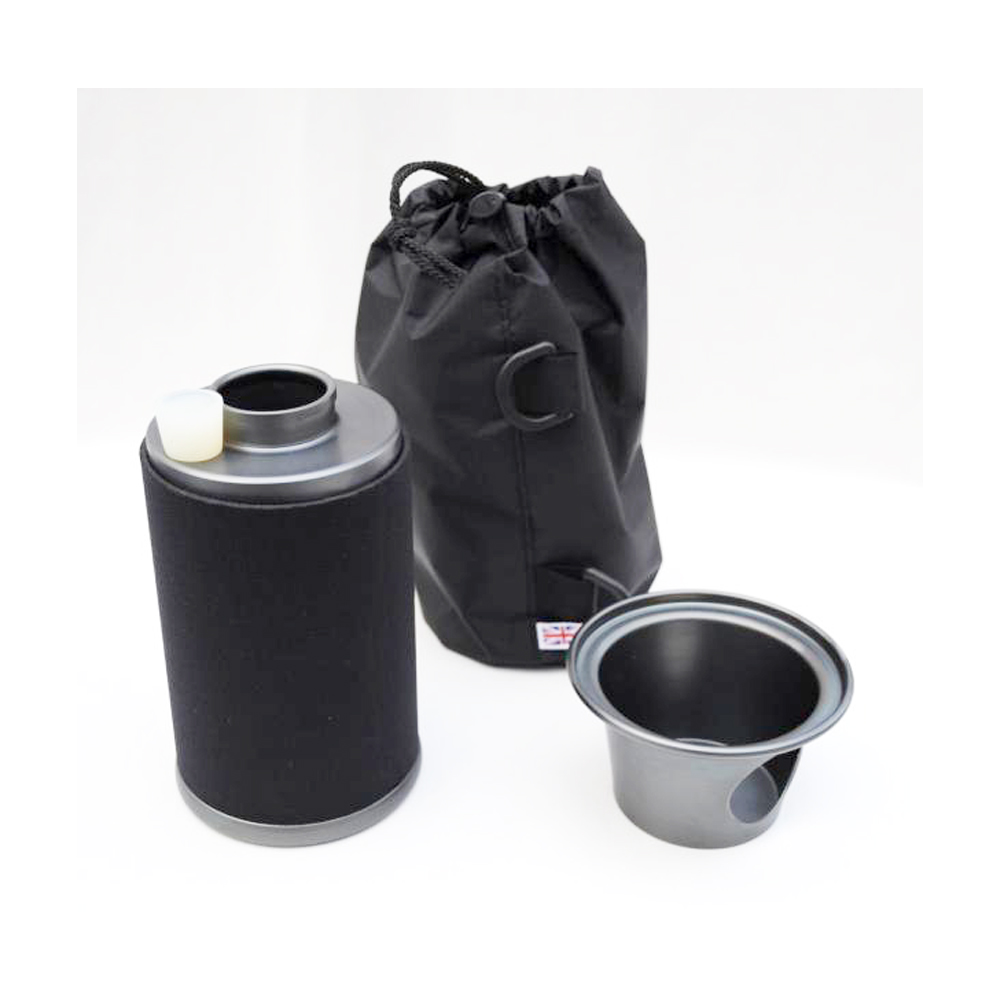
Packaging: The set includes Mkettle + stand, neoprene sleeve, stopper, nylon carry bag with D-rings, and instructions for use.
Fuel: solid fuel, eco-friendly, no gas canisters required.
Transport: Use the stopper when carrying water.
Storage: There is enough space in the inner hollow section for matches and a pre-prepared fire-lighting starter.
What does "HARD ANODISED" mean
The result of hard anodising is a thicker and tougher coating that is approximately 2-4 times stronger than standard anodising. The resulting material is as close to titanium as possible - while still using easily workable aluminium, it achieves strength higher than stainless steel, with additional advantages - lower weight, faster boiling of water, and no possibility of rusting!
Anodising is used primarily to strengthen the outer layer of aluminium and is also an easy way to add colour. What the process actually does is create a layer of aluminium hydroxide on the surface of the metal. Once the process is complete, the aluminium is no longer susceptible to nicks and scratches on the surfaces, because the pores of the metal have tightened, creating a harder surface.
There are 3 types of anodising
Type I - is specialist anodising using chromic or phosphoric acid instead of sulphuric acid.
Type II - is the anodising that can be done in a garage, using sulphuric acid and coloured dyes.
Type III - is hard anodising. It requires a more controlled environment.
Type III, or hard anodising, is carried out with a weaker sulphuric acid solution and an acid bath at a lower temperature. Typically, for Type II anodising, the acid bath is around 60-70 degrees Fahrenheit. The temperature often rises during the anodising process. For Type III hard anodising, the temperature should be 35-40 degrees. The acid bath must be constantly agitated, otherwise a warm layer of acid will build up around the product. The electrical current will be much higher, perhaps 20 amps per sq. ft. This requires bath agitation machines and cooling equipment.
Customer reviews
Top reviews
Related items
Unknown is a trusted brand we stand behind. Find their full range of quality products here in StayAliveShop. See all Unknown items →
Latest from Unknown
WARNING
All products in StayAliveShop are intended for responsible use. Some of them (knives, axes, machetes, etc.) are potentially dangerous and are recommended only for individuals over 18 years of age. Work carefully, use appropriate protective equipment, and always follow the manufacturer’s instructions. Keep tools in good condition and do not attempt to repair them yourself in case of damage. When working with sharp tools, sharpening equipment, or fire-starting tools, there is a risk of injury, burns, or fire if used improperly. Water purification products have limited application and do not remove all types of contaminants. Failure to follow the instructions may result in serious accidents or health problems.
Read the full safety guidelines →