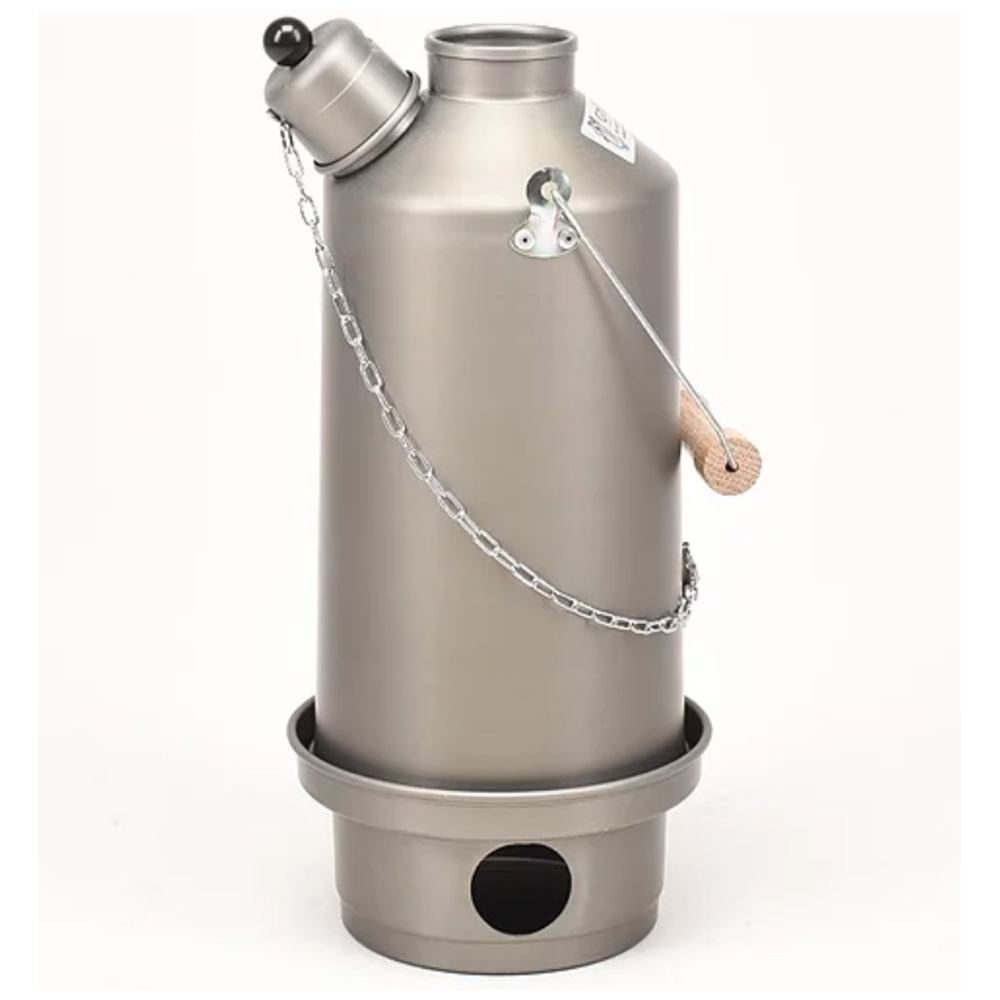
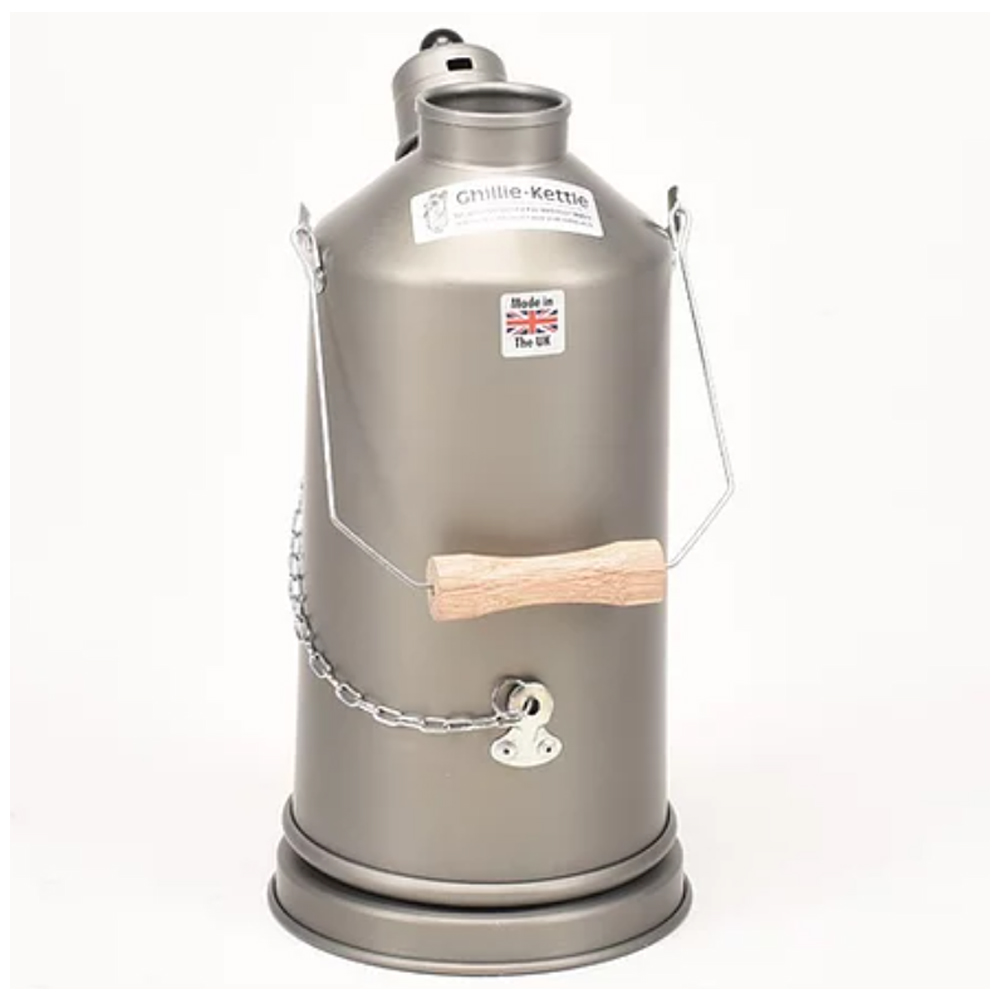
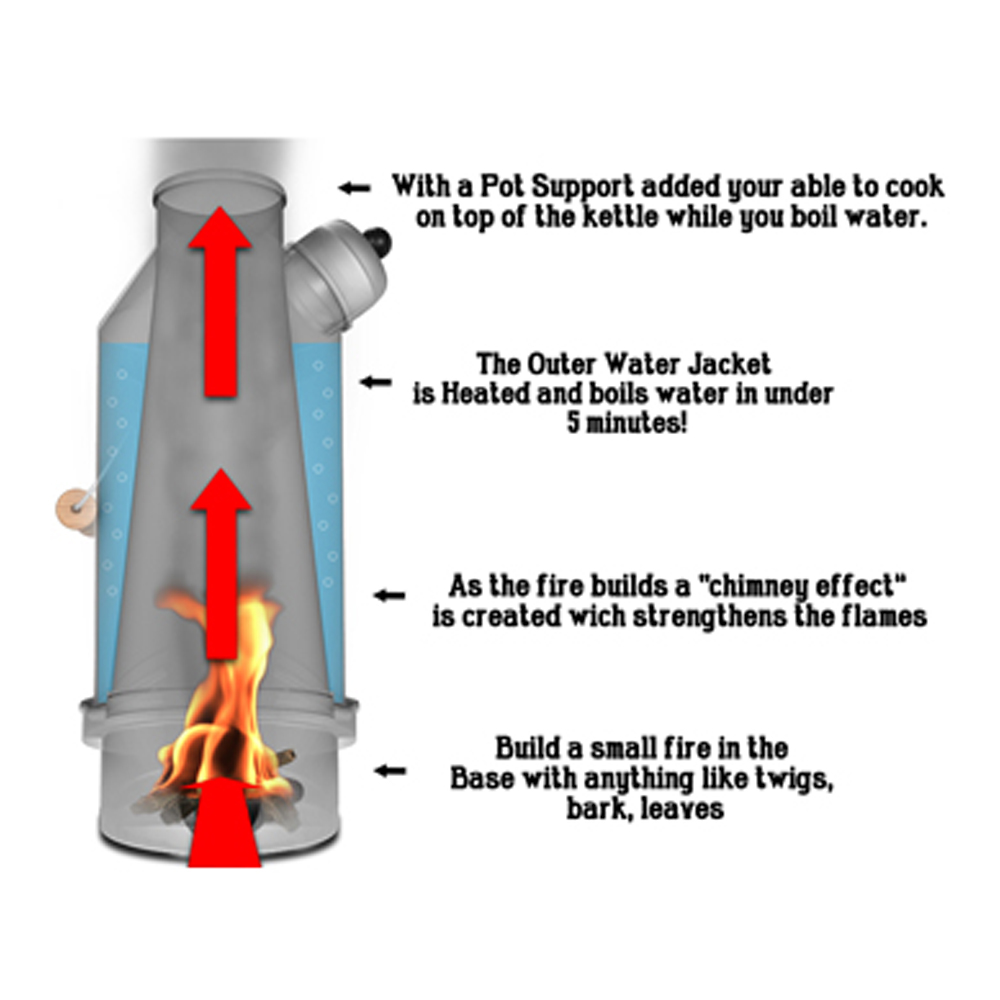
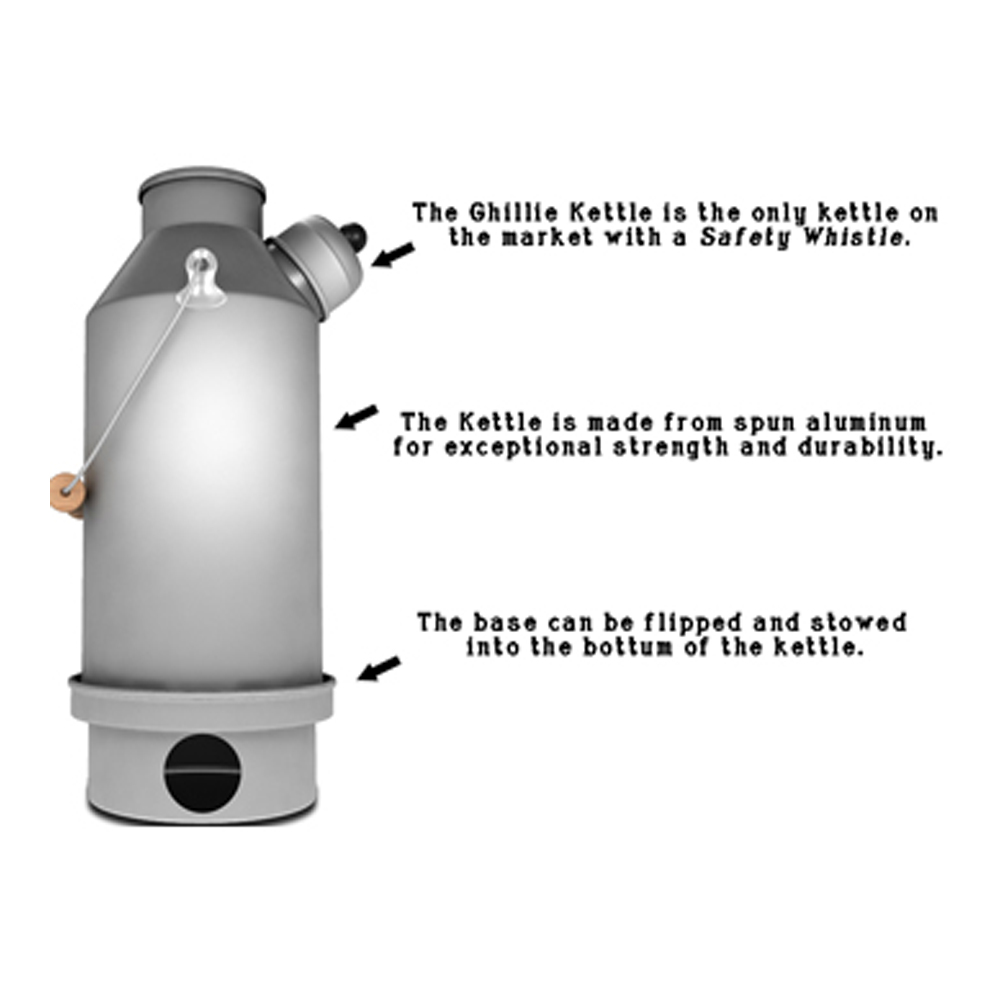
Ghillie Kettle THE ADVENTURER - HARD ANODISED
Ghillie Kettle THE ADVENTURER - HARD ANODISED
GKAHA
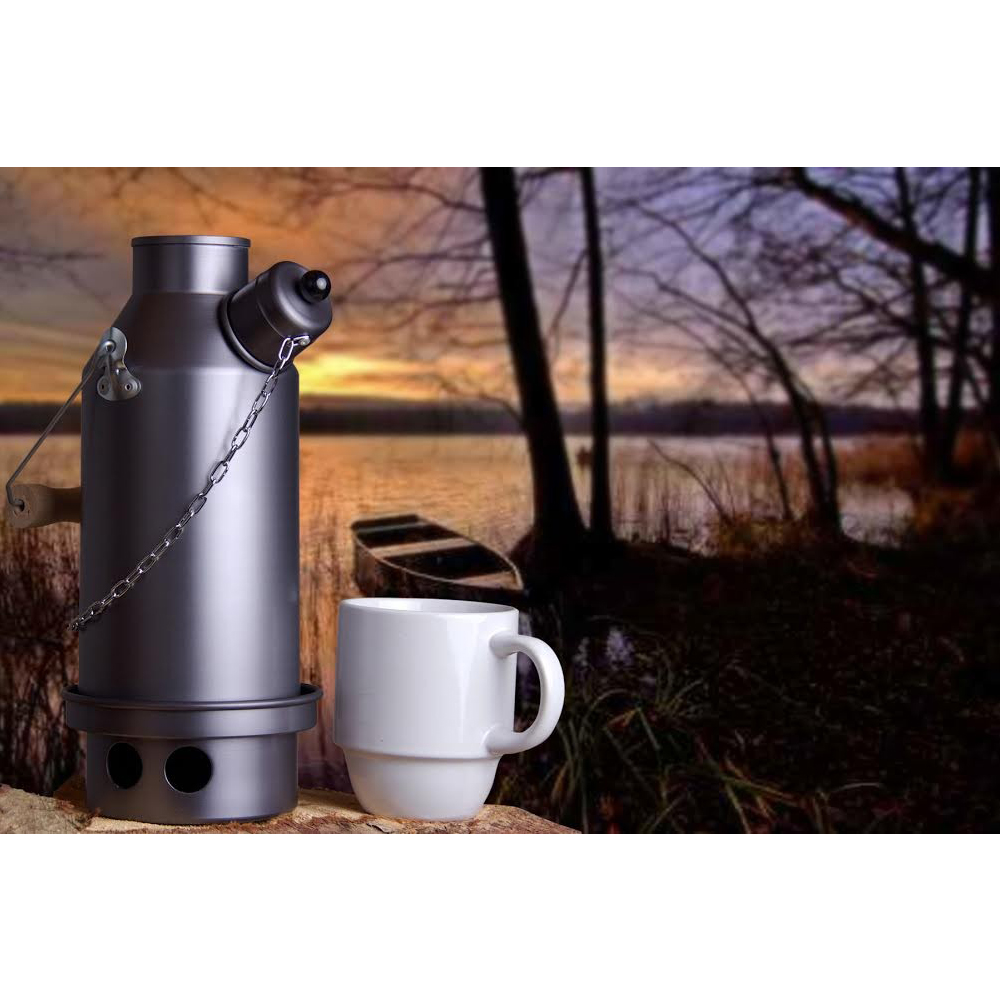
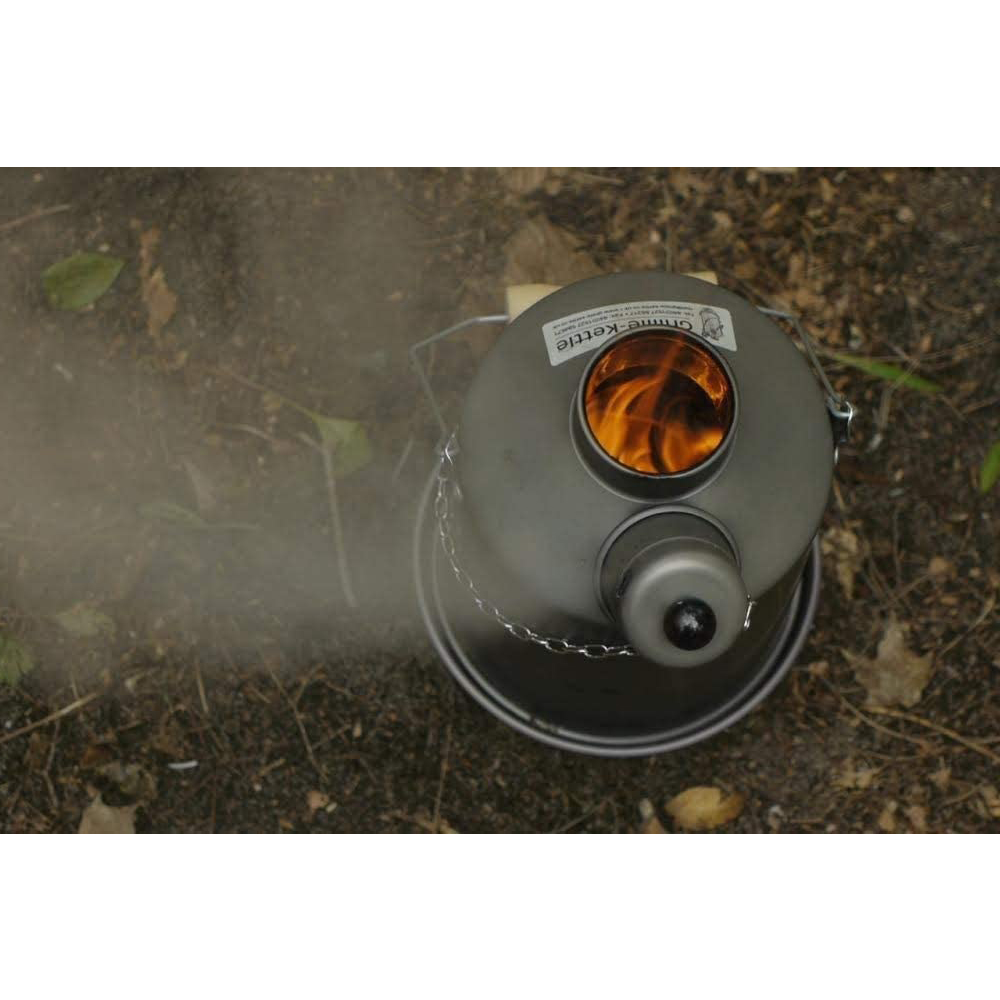
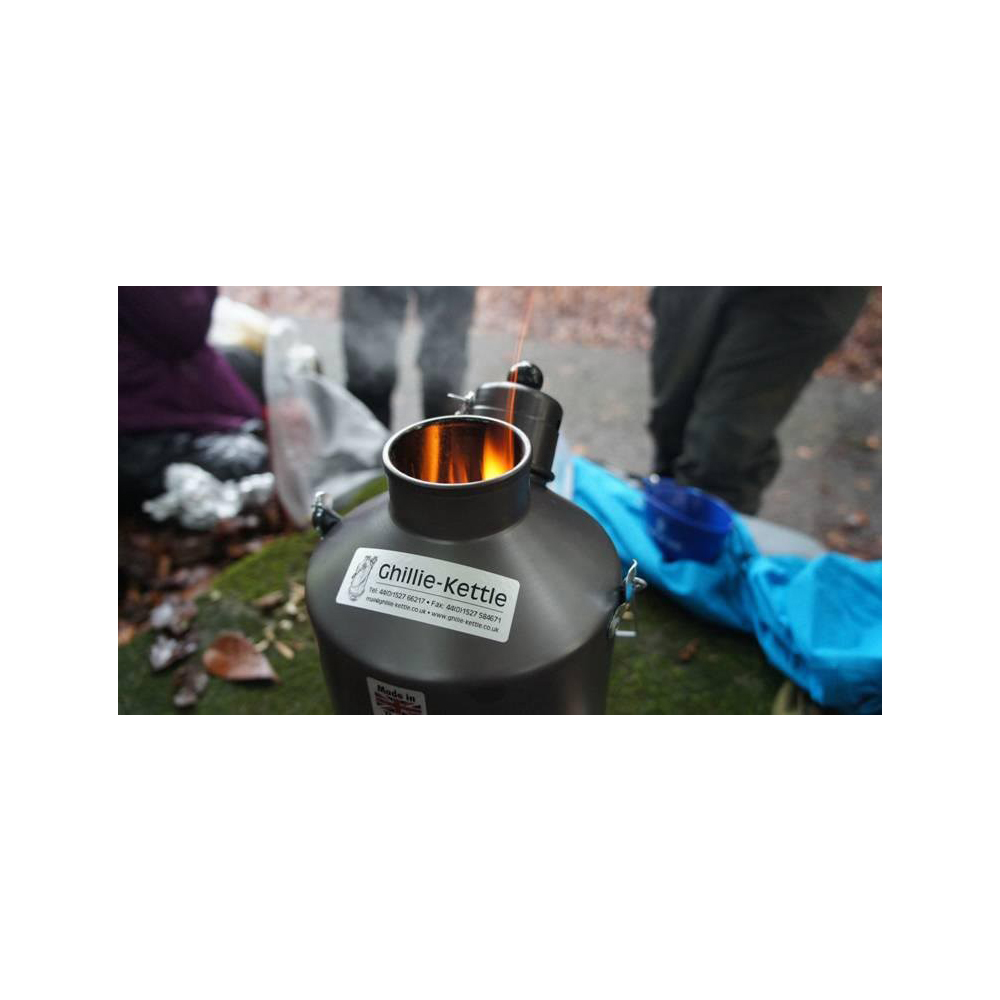
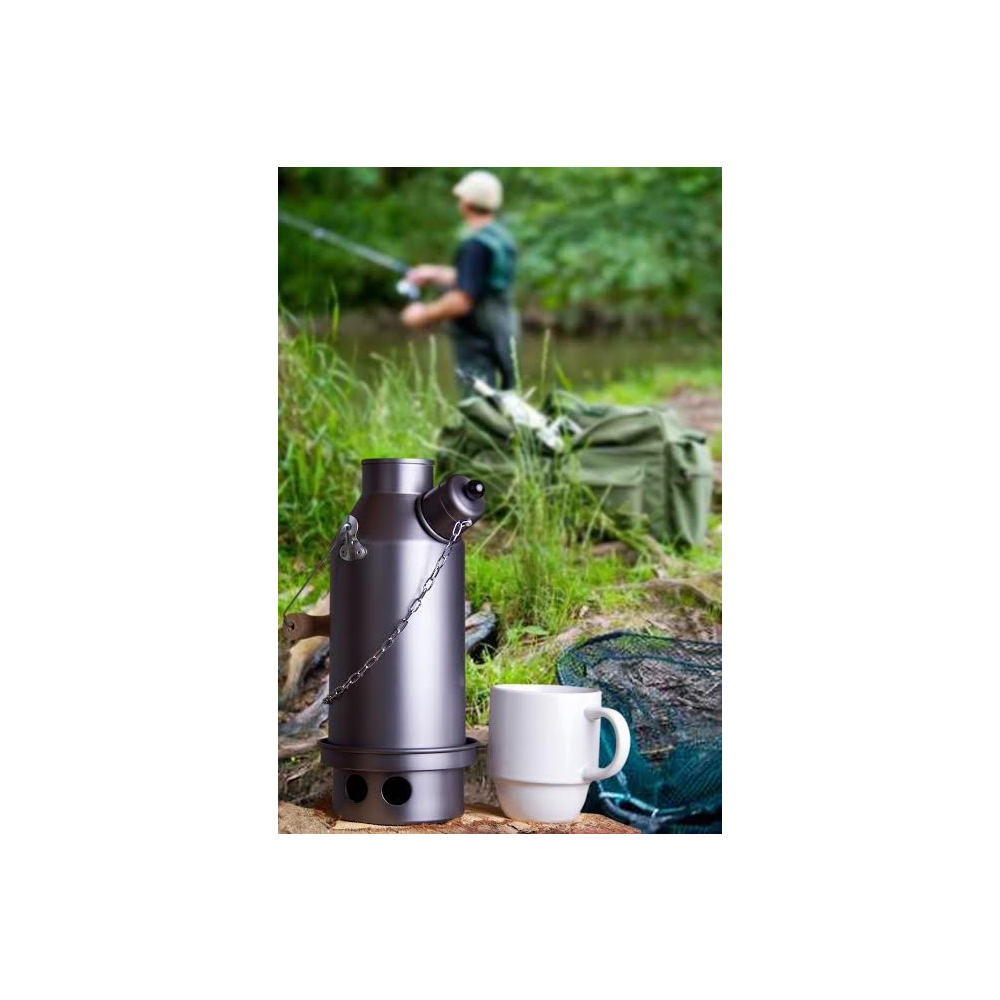
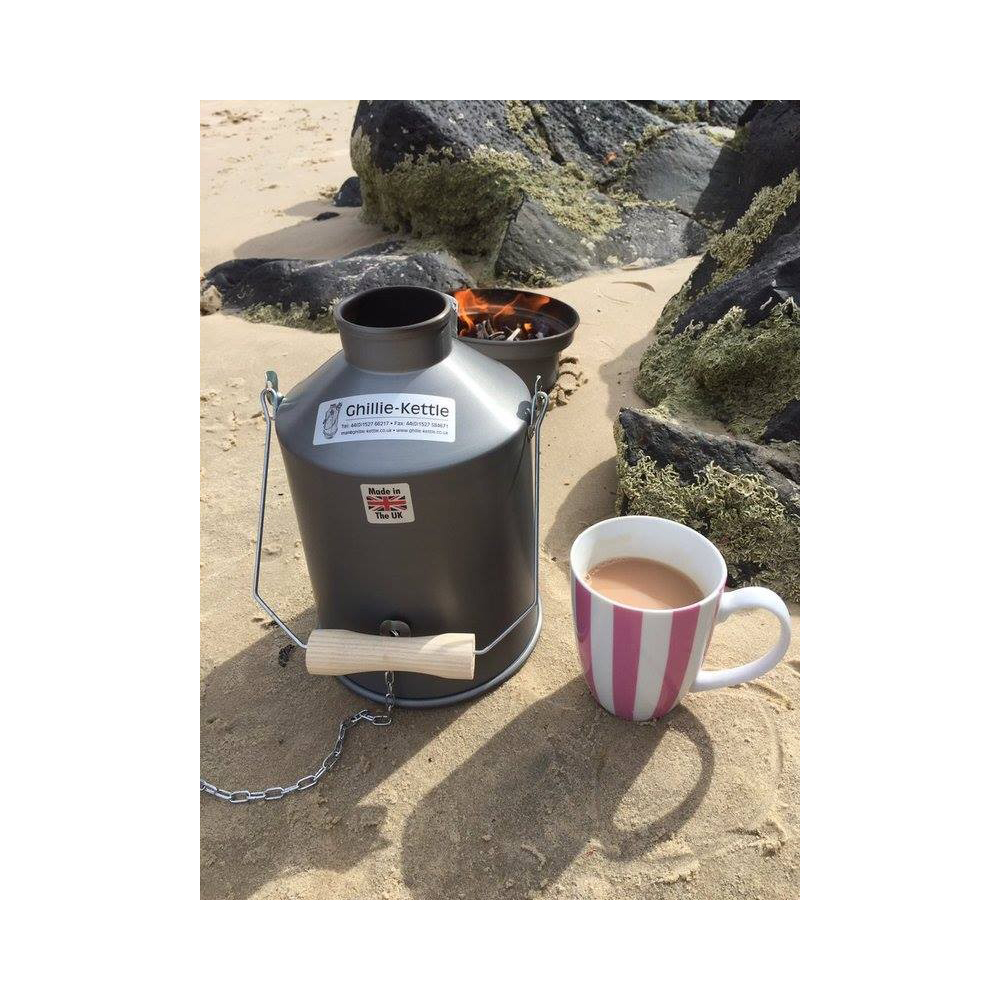
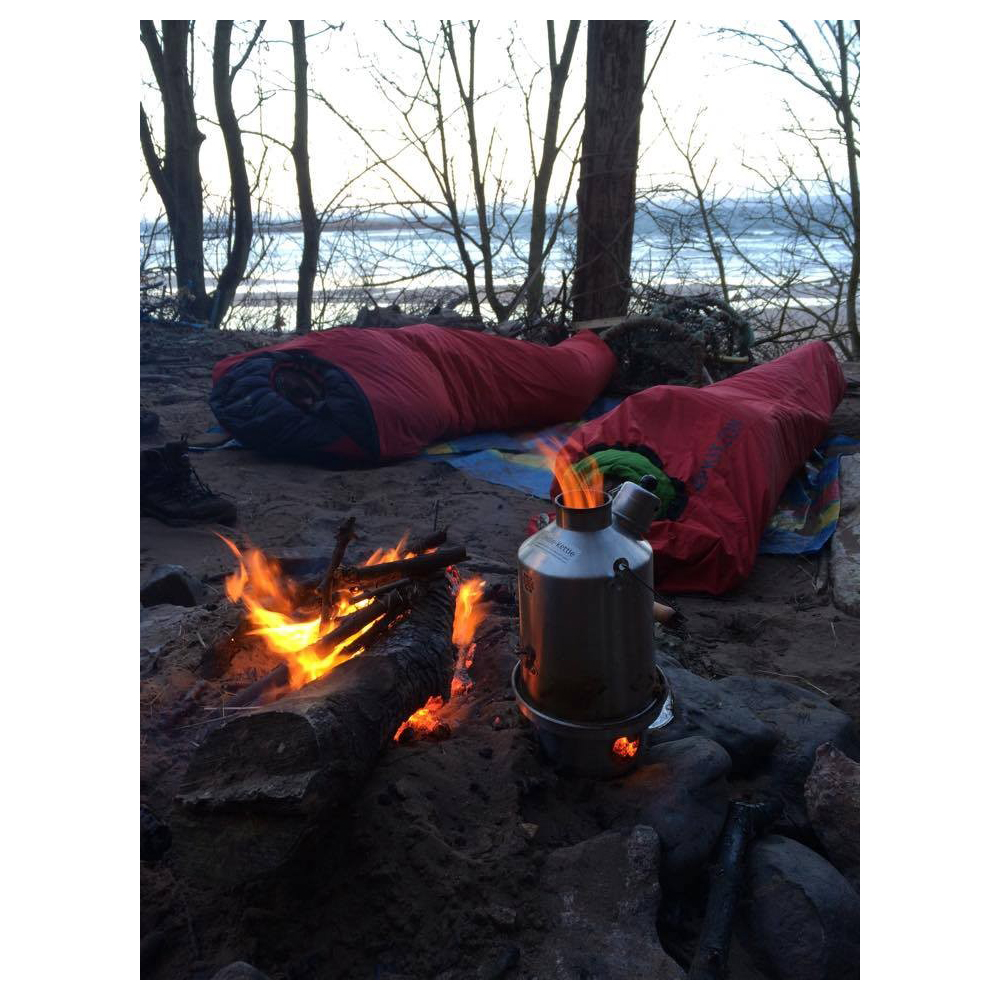
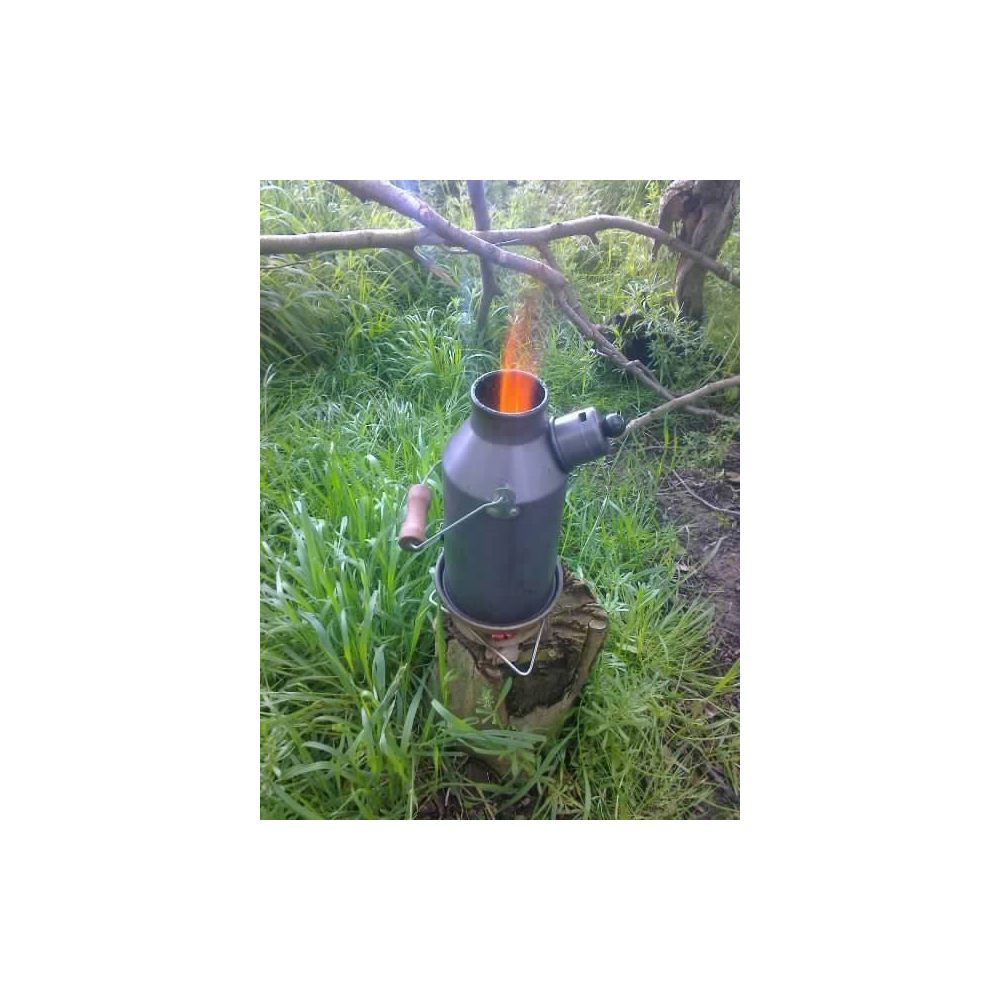
Traditional Irish wood-fired kettle for camping, hiking, hunting, and fishing
Hard anodised aluminium provides all the same great features as the standard aluminium Ghillie Kettle, plus added protection and durability. As well as being scratch-resistant, the kettle is easier to clean and offers all the advantages of stainless steel, but is less expensive and, most importantly for camping, much lighter. It also has a smooth non-stick, non-reactive surface and boils water, heats food, and cleans up more quickly.
The kettle comes with a 10-year warranty under normal wear and tear.
It provides approximately 5 cups of hot water in just a few minutes and is the largest model the company makes.
Weight: 0.9 kg
Capacity: 1.5 litres
Height: 34 cm
Width: 18.5 cm at its widest point
Supplied with its own sturdy carry bag.
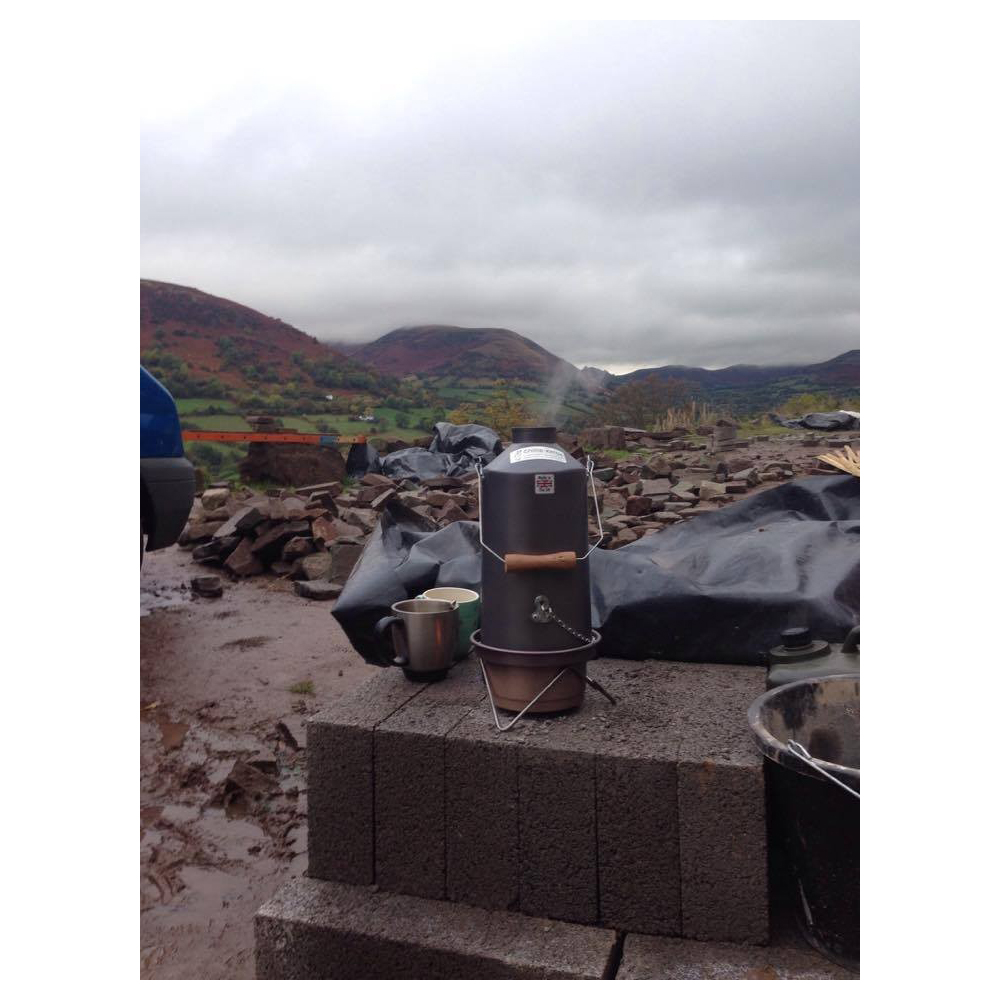
Ideal for ANY outdoor activity: camping, hiking, hunting, fishing, construction sites.........
What does "HARD ANODISED" mean
The result of hard anodising is a thicker and stronger coating that is approximately 2-4 times tougher than normal anodising. The resulting material is as close as possible to titanium - while still using easily workable aluminium, it achieves strength higher than stainless steel, with additional advantages - lower weight, faster boiling of water, and no possibility of rusting!
Anodising is used primarily to strengthen the outer layer of aluminium and is also an easy way to add colour. What the process actually does is create a layer of aluminium hydroxide on the surface of the metal. Once the process is complete, the aluminium is no longer susceptible to surface nicks and scratches, as the pores of the metal have tightened, creating a harder surface.
There are 3 types of anodising
Type I - is specialist anodising using chromic or phosphoric acid instead of sulphuric acid.
Type II - is the kind of anodising that can be done in a garage using sulphuric acid and coloured dyes.
Type III - is hard anodising. It requires a more controlled environment.
Type III, or hard anodising, is carried out using a weaker sulphuric acid solution and a lower-temperature acid bath. Typically, for Type II anodising, the acid bath is around 60-70 degrees Fahrenheit. The temperature often rises during the anodising process. For Type III hard anodising, the temperature must be 35-40 degrees. The acid bath must be continuously mixed, otherwise a warm layer of acid will build up around the product. The electrical current will be much higher, perhaps 20 amps per sq. foot. This requires bath-mixing machinery and cooling equipment.
With the additional accessories we offer, the unit can also be used for cooking.
Customer reviews
Top reviews
Related items
Unknown is a trusted brand we stand behind. Find their full range of quality products here in StayAliveShop. See all Unknown items →
Latest from Unknown
WARNING
All products in StayAliveShop are intended for responsible use. Some of them (knives, axes, machetes, etc.) are potentially dangerous and are recommended only for individuals over 18 years of age. Work carefully, use appropriate protective equipment, and always follow the manufacturer’s instructions. Keep tools in good condition and do not attempt to repair them yourself in case of damage. When working with sharp tools, sharpening equipment, or fire-starting tools, there is a risk of injury, burns, or fire if used improperly. Water purification products have limited application and do not remove all types of contaminants. Failure to follow the instructions may result in serious accidents or health problems.
Read the full safety guidelines →