
THE BLUE GOLD
97% of the world's water resources are saltwater. Two-thirds of the remaining 3% are in the form of ice at the poles. The remaining 1% is fresh water, which does not mean it is suitable for drinking.
Good drinking water is clear, colorless, odorless, and tastes pleasant. According to international hygiene standards, it must be free of pathogens that indicate the presence of human or animal waste. The total number of microorganisms should not exceed 100 per 100 milliliters. Drinking water is not pure water, it should contain minerals and salts vital for the human body.
“ It is no wonder that traveling to distant destinations is becoming increasingly popular. Exploring foreign countries and new cultures expands our horizons, provides excitement, and adds diversity to our lives. With increasing global mobility, it is becoming very easy to reach any corner of the world. Traveling abroad requires excellent preparation, which should also include health precautions. That's why it's important to research in advance and be prepared. One of the biggest health risks wherever we are comes from contaminated or infected water. This is an area where you can significantly help yourself by adopting appropriate behavior and applying the right techniques. The purpose of this water guide is to provide information on drinking water while traveling and specifically to demonstrate practical and simple methods for treating and purifying water. With the right knowledge, you can drastically reduce the risk of illness with just a few steps. Enjoy your travels and return home healthy! ”
Tomáš Jelinek M.D.
Internist, Infectious Disease Specialist, Doctor of Tropical Medicine.
The passion for travel often takes us to places where water is scarce. Today, one in five travelers visits tropical or subtropical areas. Often, they are not aware or lack sufficient knowledge about the water situation in the countries they visit. Although many travelers have heard the old saying "boil it, peel it, or forget it," they trust the local water supplies as they do at home. However, in some major metropolitan areas, water quality is quite critical.
On average, one in four travelers to distant countries is affected by diarrhea, with rates reaching 80% in some areas. This often changes travel plans. Normal diarrhea subsides after 3-4 days, but there are cases requiring medical treatment even after returning home.
TYPES OF WATER CONTAMINATION
MICROORGANISMS IN WATER
IN MANY POPULAR DESTINATIONS, MOST PEOPLE DO NOT HAVE ACCESS TO PUBLIC WATER SUPPLIES. WATER FROM WELLS AND SPRINGS IS RARELY CHECKED FOR PATHOGENIC ACTIVITY. ESPECIALLY IN POOR AND RURAL AREAS, SURFACE WATERS ARE ALSO USED AS DRINKING WATER – WITH ALL THE RISKS AND CONSEQUENCES FOR HEALTH.
The most common health risk when traveling is infection from such pathogens as bacteria, viruses, and protozoa present in drinking water. Human or animal waste, which has entered the water in various ways, is the main source of contaminants. When such contaminated water is used for drinking, hygiene, or washing food products, it can quickly lead to infections. According to EU Directive 98/83/EU on drinking water, even water used for showering, laundry, or washing dishes must be potable. Besides the microorganisms listed above, a large number of additional pathogens are also known, but according to WHO, their pathogenic (disease-causing) effect is only mild, or they are absorbed together with food.
THREE FAMILIES OF PATHOGENIC MICROORGANISMS ARE KNOWN
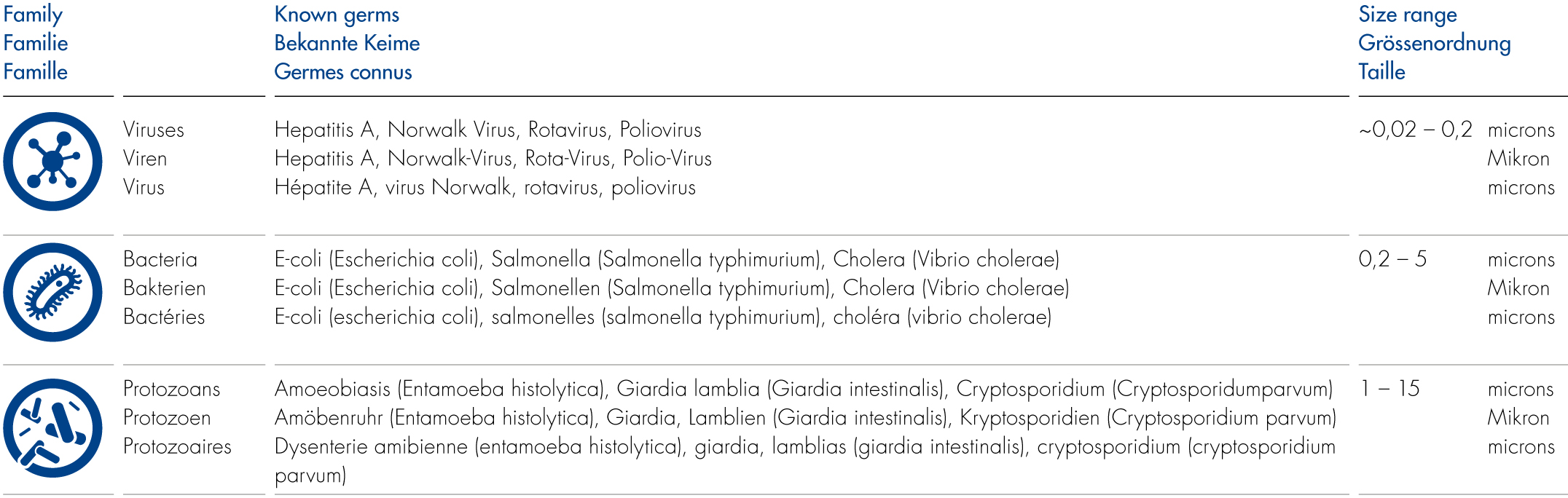
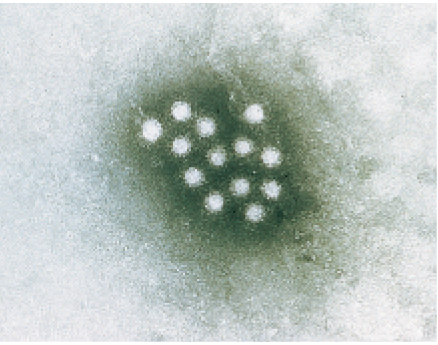 2. Viruses – tiny parasites with unpleasant effects, viruses can only reproduce in living cells because they lack their own metabolism. Their small size makes it difficult to physically remove them from water. For this purpose, filters with pore sizes smaller than 0.02 microns are necessary. However, viruses are sensitive to heat and chemicals. In turbid water, they are usually attached to particles and can therefore be completely removed by filters with pore sizes up to 0.2 µm, but to be completely safe, purification of the filtered water is recommended.
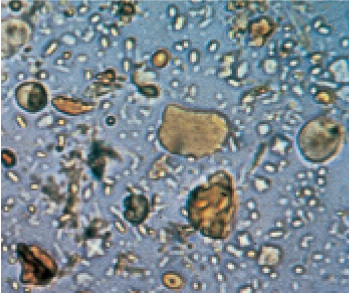 1. Bacteria - rapidly reproduce. Bacteria are single-celled organisms that reproduce quickly in warm environments, especially water, depending on the available nutrients. Some bacteria can multiply in less than 10 minutes. Not all bacteria pose health risks, but as soon as they enter drinking water and combine with animal or human waste, the situation becomes risky. Such water should be disinfected (for example, chemically or microorganisms should be removed with microfilters).
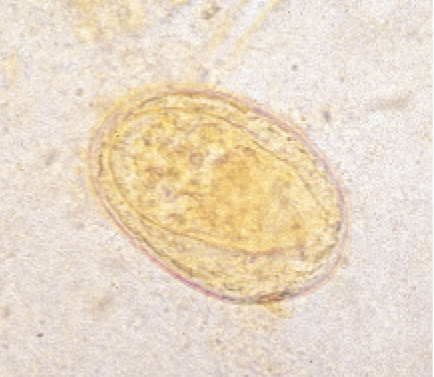 3. Protozoa - small but persistent, protozoa are single-celled animal organisms. They are more advanced than bacteria, visible in their size. Protozoa enter drinking water through animal and human waste. Until protozoa find a host, they encase in a membrane (cyst), which is highly resistant to environmental influences. To destroy these cysts with chemicals requires prolonged contact time - up to four hours. On the other hand, due to their relatively larger size, protozoa can be easily filtered from the water.
HEAVY METALS
HEAVY METALS NATURALLY PASS THROUGH THE SURFACE LAYER THROUGH RAINWATER (LATER FILTERED THROUGH ROCK LAYERS) AND ENTER GROUNDWATERS.
Heavy metals from groundwater can accumulate in the human body. That's why the World Health Organization (WHO) issued guidelines for maximum allowable values in drinking water. In public drinking water purification systems, these values are strictly monitored. Heavy metals can only be removed from water through complex methods like distillation or flocculation.
AGRICULTURAL AGENTS
AGRICULTURAL AGENTS, SUCH AS HERBICIDES, PESTICIDES, OR MINERAL FERTILIZERS, CAN ENTER GROUNDWATER AND IF NOT TREATED, THESE SUBSTANCES WILL TRANSFER INTO DRINKING WATER.
Depending on the nature of agricultural lands, substances used in farming are quickly washed off by rains and enter groundwater or run off into surface waters. Traces of these have been found even in mountain lakes high above any agricultural activity. Fortunately, most agrochemicals are organic chemical compounds and can be easily removed through adsorption by activated carbon.
TURBID WATERS
WATER TURBIDITY IS CAUSED BY INSOLUBLE SOLID FREE PARTICLES. THESE ARE USUALLY HARMLESS SEDIMENTS.
Suspended solids are components in water providing nutrients to microbes, thereby promoting their reproduction. Although usually harmless, they can hinder effective water purification. Disinfectants accumulate in these particles and are thus "consumed" or weakened. For this reason, the application of chemical disinfectants is limited to clear water. Turbid water should be filtered before treatment.
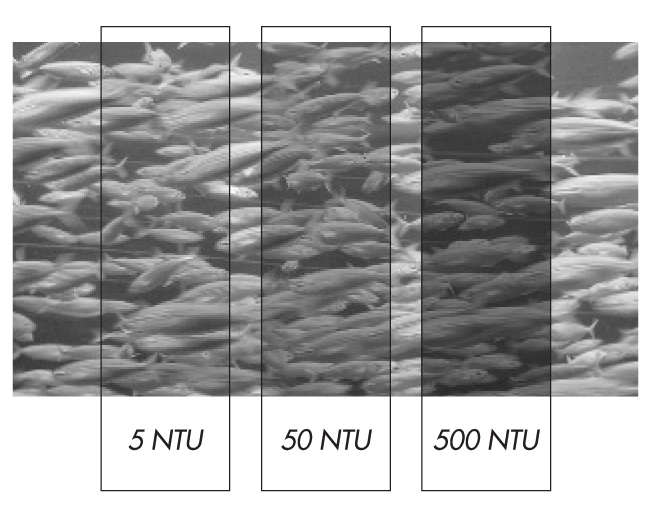
Water turbidity is measured in nephlometric turbidity units (NTU). According to the World Health Organization (WHO), tap water should have less than 1 NTU, and water with values of 5 NTU or higher is not suitable for use as drinking water without filtration.
WATER TREATMENT METHODS AND OPTIONS
Generally, any water can be transformed into clean drinking water, but keep in mind that you cannot simply procure it literally from the channel. Depending on the type and degree of contamination and local conditions, various water treatment methods are available.
THERMAL TREATMENT - BOILING
Boiling is one of the oldest and most effective methods for water purification. But it requires a sufficient amount of time, as well as energy in the form of wood, fuel, or electricity. Boiling only eliminates microorganisms. Water will not become clear, and chemicals will remain. Different pathogens in water have different levels of heat sensitivity. Not all can be killed in the same amount of time, and since we never know which microorganisms are in specific water, it's best to treat for the most resilient pathogens. At sea level (0 meters), the boiling point of water is 100°C, and boiling for five minutes is adequate. At 4000 meters altitude, the boiling point drops to 86.8°C. At this altitude, water should be boiled for 20 minutes.
DISINFECTION
Disinfectants (chemical agents) destroy microorganisms and thus prevent the appearance and transmission of pathogens. When treating drinking water, substances that are most commonly added are: chlorine, chlorine dioxide, iodine, silver, and ultraviolet (UV-C radiation). Logically, these substances can only be used in water that is visually clear (see above "Turbid waters").
Chlorine, iodine, silver, and their combinations are sold as products (tablets or drops) for use during travel.
- Chlorine is the water treatment that is most widely used worldwide. Its rapid effect, good availability, ease of use, and wide range of applications are its main advantages. Compared to many other chemical disinfectants, however, chlorine does not have a prolonged effect. Water treated with chlorine will become recontaminated after prolonged storage.
- Iodine, similar to chlorine, is in the halogen group of elements but has a more prolonged effect. For historical reasons - iodine was first used by the British and American armies - it is mainly available in tablet form in English-speaking countries. A significant disadvantage of this disinfectant is its unpleasant taste. High doses of iodine intake for several consecutive weeks can lead to serious hyperthyroidism. An activated carbon filter can be used to remove iodine after treatment. According to an EU regulation from October 2009, iodine is no longer permitted for water treatment.
- Silver or rather silver ions is one of the oldest methods for deactivating bacteria. Silver ions are attracted by the polar absorption of bacteria. The ions penetrate their cell membranes and damage DNA, preventing further cell division. The respiratory system is attacked and blocked. This chain reaction reliably and sustainably kills bacteria. Silver ions also provide water conservation. Silver acts slowly, but its result is long-lasting, preventing microbial growth for up to six months. Silver-based products are ideal for storing water in RVs, caravans, and boats, as well as for civil protection and disaster relief.
- Chlorine dioxide until recently had to be produced as a gas using a generator. Now it can be done by adding one tablet to water. The main advantage of chlorine dioxide is its effectiveness against all microorganisms, quick action, and independence from the water's pH value. Moreover, it is the only purification agent effective in turbid water. Its downside is only the higher cost.
UV TREATMENT
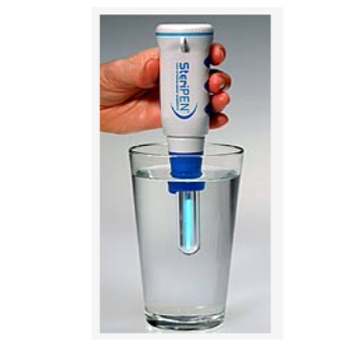 UV-C light has been used for over 100 years to ensure clean drinking water. Steripen water purification devices complement your hiking kit or luggage for your next trip. Steripen uses UV light to alter the DNA of microorganisms, rendering them harmless. These compact water purifiers are quick and easy to use and provide drinking water you can enjoy without worry. To use Steripen's UV light effectively, all you have to do is stir clear water with it for 48 seconds for 0.5L or 90 seconds for 1.0L. Wide-mouth bottles are recommended.
MICROFILTRATION
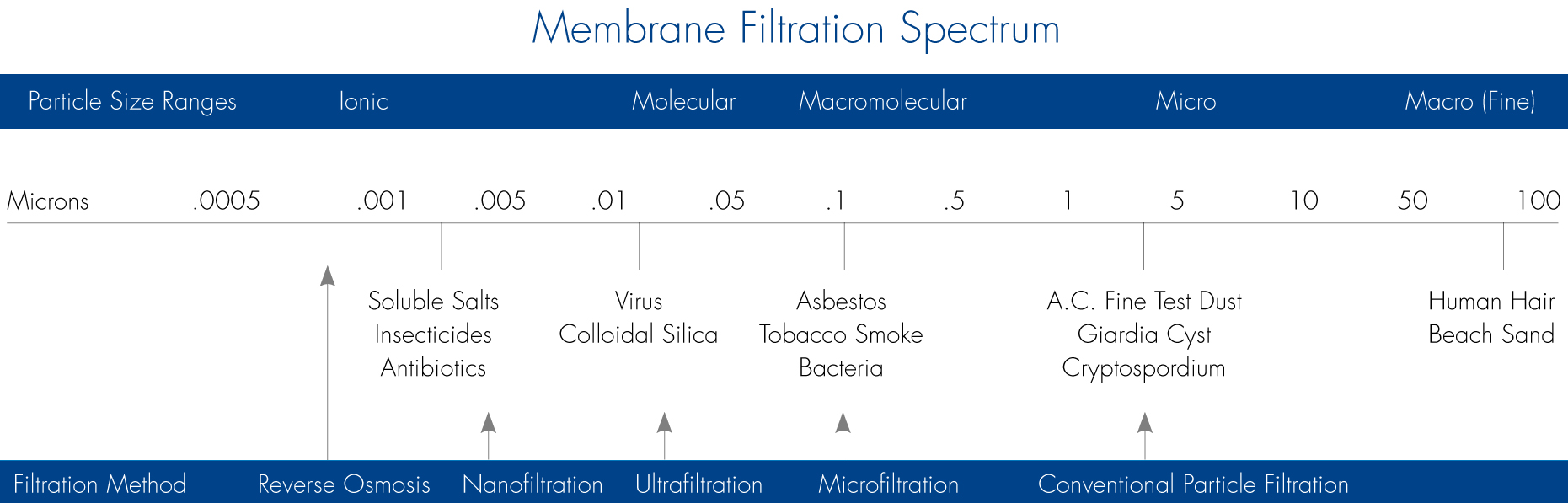
Bacteria and protozoa are the most common microorganisms you can find in drinking water. To remove them from the water, use a microfilter with a pore size no larger than 0.3 microns. Protozoa like Giardia and Cryptosporidium are much larger (1 to 15 microns) and can be removed by microfilters with pore sizes up to 1 micron. Microfilters can mechanically remove bacteria and protozoa. Keep in mind that chemical processes destroy microorganisms but do not remove them from the water. With mechanical filtration using a microfilter, water always passes directly through the filter, while particles are retained in it. Possible filters include ceramics, fiberglass, hollow fibers, etc., each with its advantages and disadvantages. The biggest advantage of ceramic filters, for example, is that they can be cleaned and reused. The flexibility of fiberglass allows the entire filter structure to be folded, creating an extremely large surface in a small space. Therefore, fiberglass filters have a very high dirt-holding capacity.
-Katadyn ceramic:
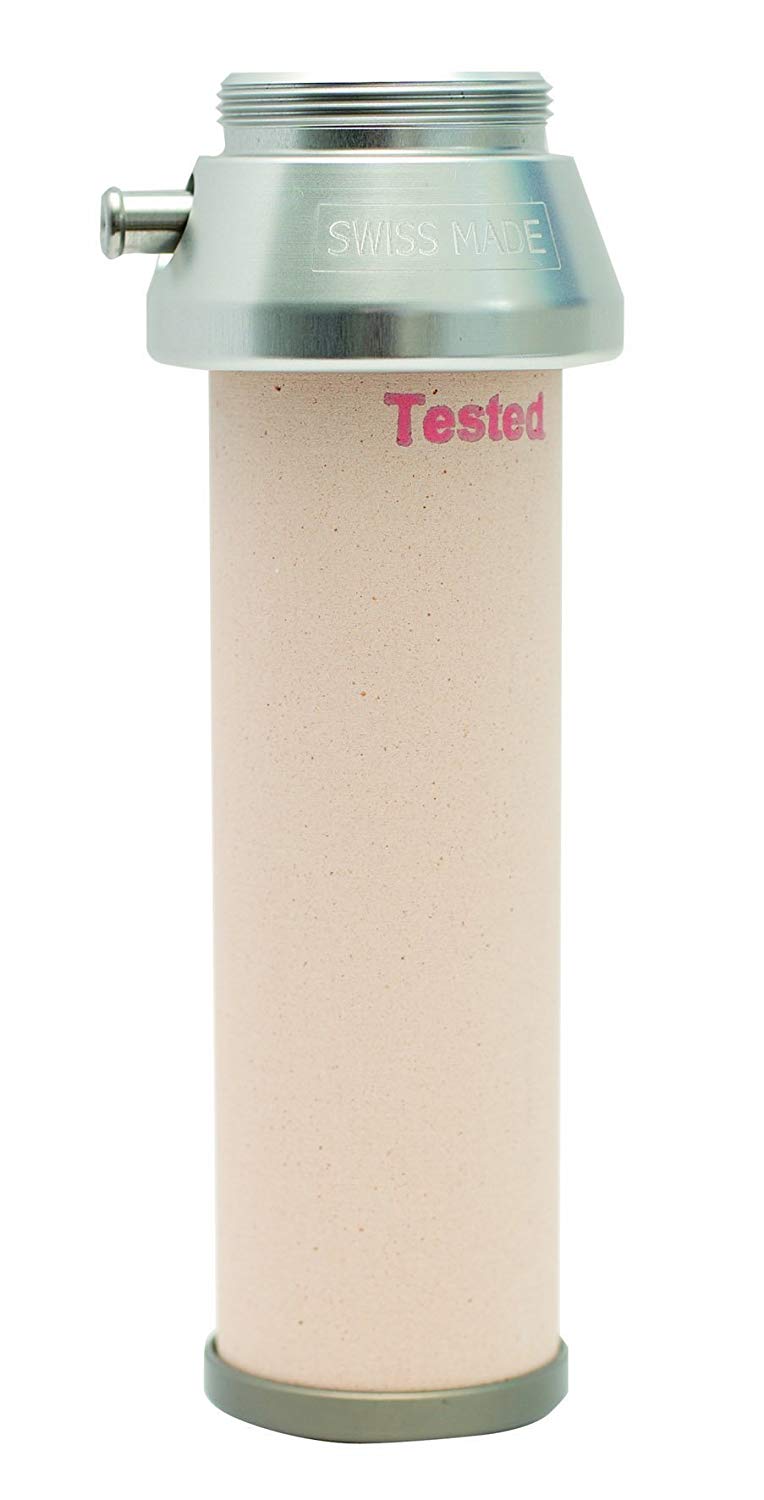 Ceramic filters have a microporous structure and are silver-impregnated (preventing bacterial growth during prolonged periods when not in use), thus extending the filter's operational life. The pore size of Katadyn ceramic filters is 0.2 microns (0.0002 mm). Bacteria range in size from 0.2 to 5 microns, and protozoa (1 - 15 microns), so they are effectively filtered. Ceramic filters can be regenerated through mechanical cleaning/washing, and the filter's capacity is measurable.
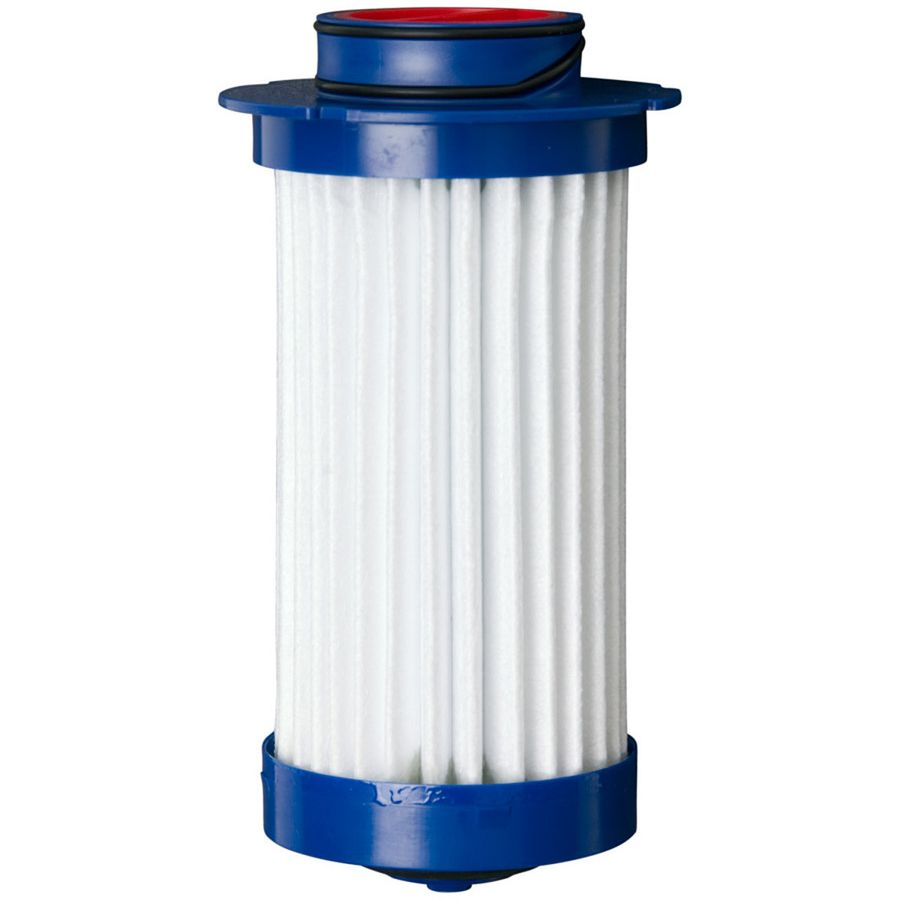 -Glassfiber - fiberglass:
The super fine glass fiber formed into two supporting layers creates a microfilter. With a nominal pore size of 0.2 microns, it mechanically filters all bacteria and protozoa. Flexible glass fibers are pleated, resulting in an extremely large surface and a very high dirt-holding capacity.
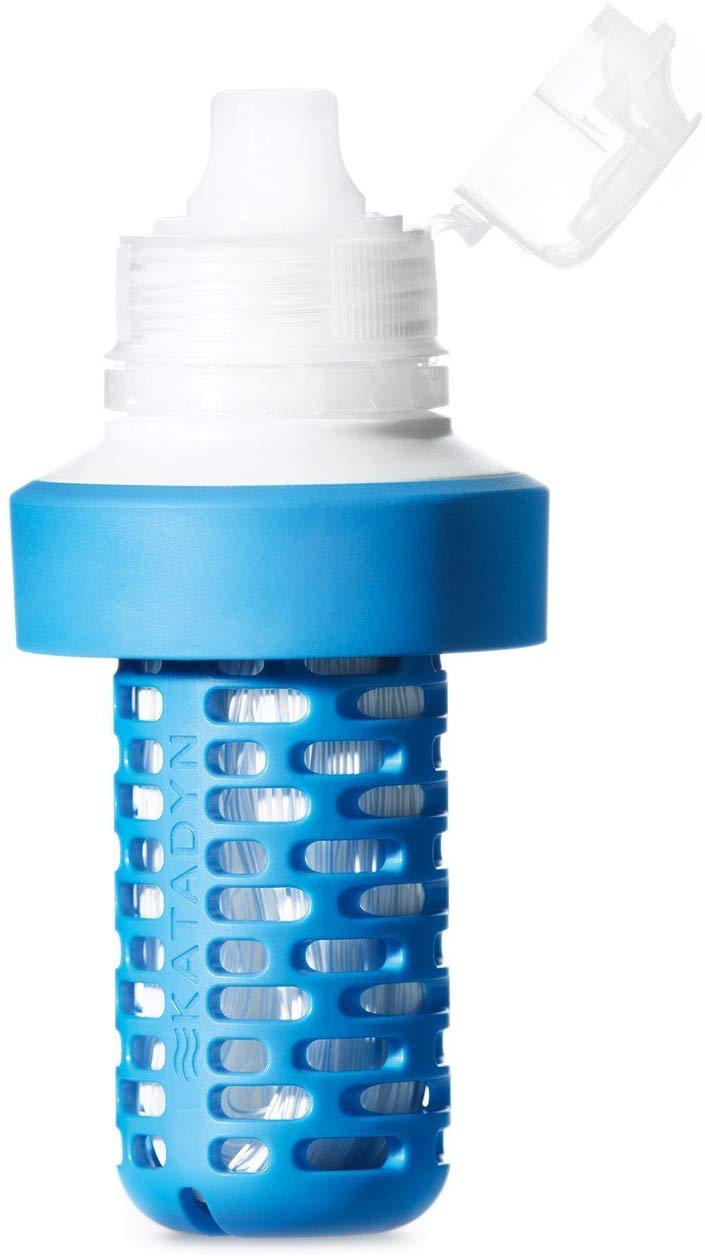 -Hollow fiber:
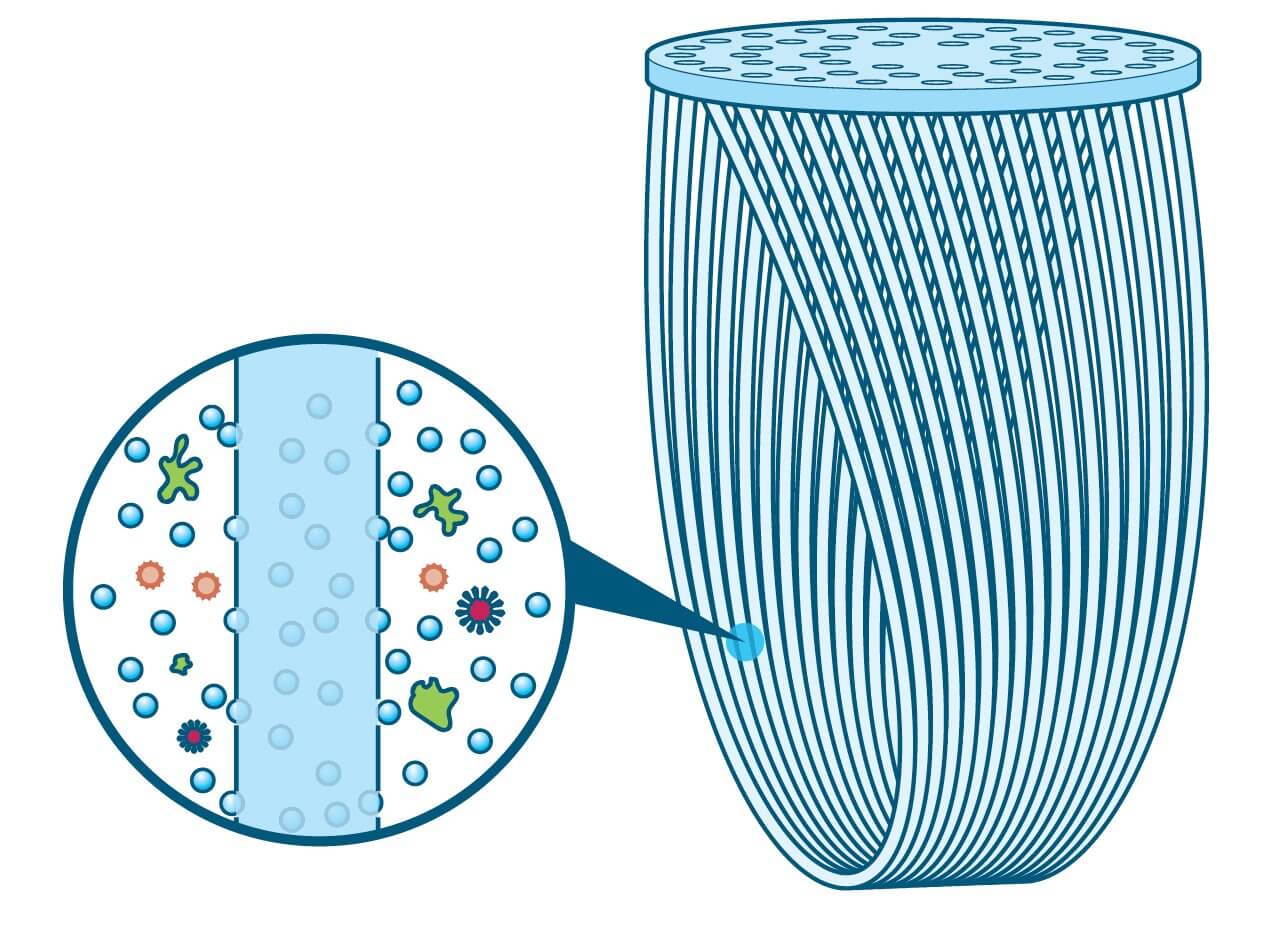 Hollow fibers are flexible artificial tubes with porous walls. Each hollow fiber is no more than a few micrometers in diameter with pore sizes only 0.1 micron. Thus, the pores are smaller than bacteria and protozoa. Pressurized water flows through the pores into the interior, while pathogens and contaminants are kept out of the tubes. In Katadyn products, these water filters contain hundreds of hollow fibers, ensuring a high flow rate and a large surface area for capturing contaminants. Hollow fiber filters can also be cleaned and reused.
ACTIVATED CARBON (ADSORPTION)
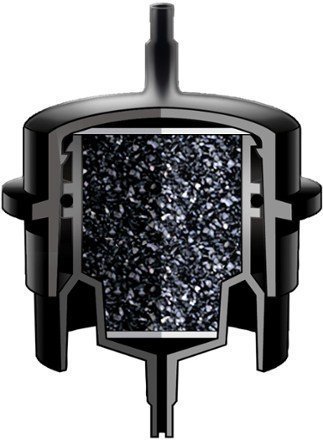
Our environment is becoming increasingly polluted with organic and inorganic substances in water, air, and soil. Natural water sources always contain safe organic and inorganic substances. Humic acid, for example, is the main organic component of soil and represents brownish water washed from the earth. Harmful substances like herbicides and pesticides are also present in water, but in very small amounts. They are only removed when safety limits are exceeded to prevent health problems. All these water pollutants can be removed through filtration using activated carbon. The ability of activated carbon is used to reduce harmful organic and inorganic substances in water. In this process, the substances to be removed come into contact with carbon and are adsorbed by it. Activated carbon is available in bulk - granules or as pressed blocks, with the latter having a much denser structure than granules, and therefore offer a larger contact area for adsorbing chemicals. Activated carbon cannot be regenerated; it is replaced with new periodically or after processing a specified amount of water through it. The amount of contaminants in the water determines how long the surface of activated carbon will become saturated.
SEA WATER - DESALINATION
Water, water everywhere, but nothing to drink! - This is a common problem at sea. According to the WHO, water is considered drinkable if it contains less than 1000 ppm (parts per million) of salt per liter. Seawater has an average salt content of 35,000 ppm. It's easy to add salt to water, but much harder to remove it afterward. With sufficient heat, saltwater can be evaporated and the condensate collected as fresh water.
Reverse osmosis is a process where saltwater passes under pressure through a semi-permeable membrane, retaining minerals. Some marine rescue liferafts are already equipped with hand-operated reverse osmosis systems. They are designed to provide those in distress with enough water to survive but are not an option for travelers due to their low production. Desalinating seawater is very energy-intensive.
WATER STORAGE
Drinking water also has an expiration date.
In public water systems, filtered and purified drinking water is distributed through a network pipeline to households. The water in this network is under high pressure, cold, and protected from light - a hostile environment for microbes! However, if we fill a bottle and expose it to daylight at room temperature, microorganisms may multiply quickly. Whether you plan to spend your vacation on a yacht or travel in an RV, you face the necessity of preserving drinking water during your trips. Many people do not know that it has a shelf life, too. Deteriorated or impure drinking water can quickly spoil the enjoyment of your vacation. According to the World Health Organization (WHO), contaminated drinking water accounts for 80% of all travel-related problems. If you spend your vacation in an RV, caravan, or boat, you need to take care of your own water supply system. For extended cruises or trips, cleaning and regular maintenance of water systems is mandatory. After all, a contaminated tank will spoil even the best drinking water. Especially in warm areas, microbes multiply extremely quickly, and water treatment is crucial.
By adding silver ions to purified water in the form of tablets or drops, it will be protected against microbial growth for up to six months, keeping water free of microbes, algae, and odors. Silver was used even in ancient Roman times to preserve water during travel.
Materials for the article used by the KATADYN GROUP