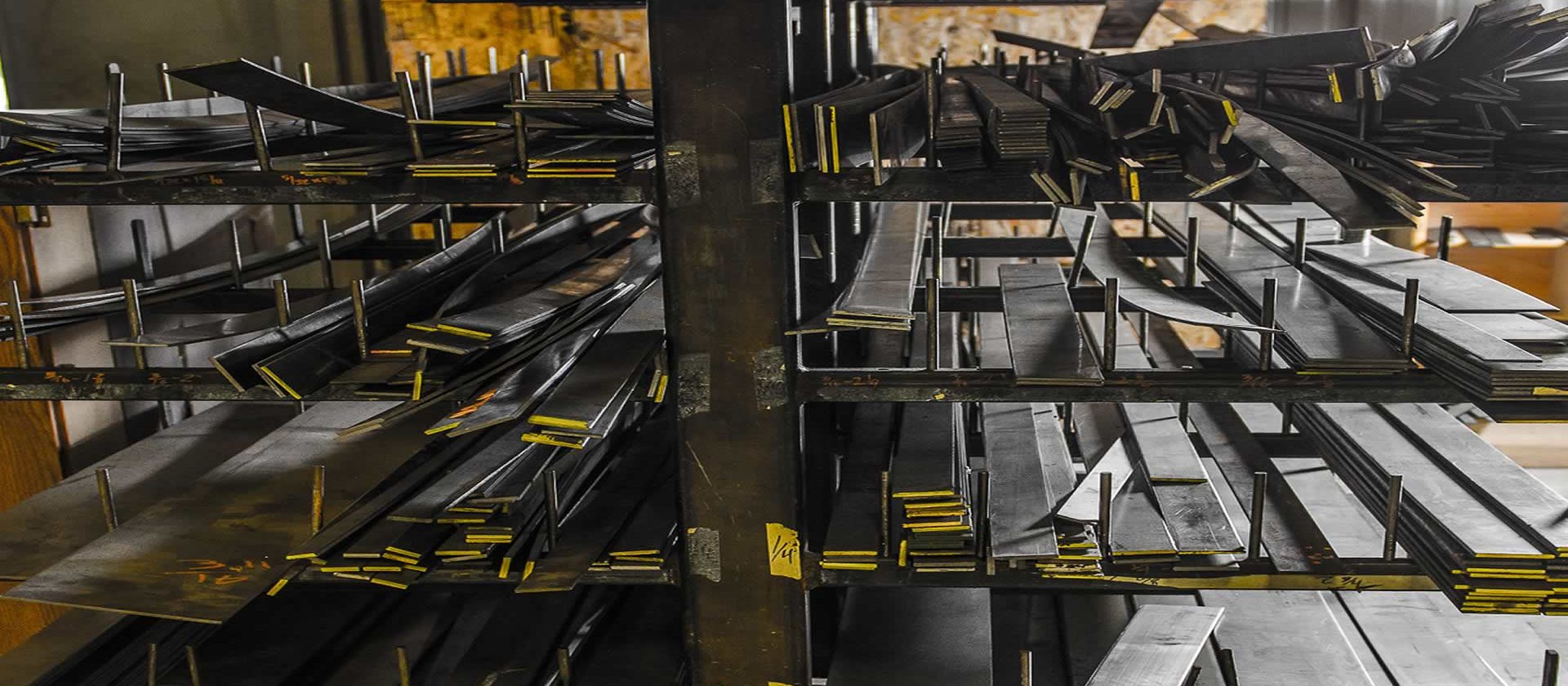
STEEL 1095 – The Foundation of TOPS KNIVES
Perhaps the most common question people ask us is "Why 1095?"
There are many ways to answer this question, but we will focus on just a few: The core philosophy of TOPS (what we aim to achieve), the pros (and cons) of 1095, and our thermal treatment of 1095.
1095 and the TOPS Philosophy
TOPS' mission is to create high-quality, tough, unique, advanced, and functional knives for the military and civilians—thanks to high-tech manufacturing, finishing processes, and the experience of professionals who actually use and test them. How does 1095 fit into this mission? It is a simple, quality knife steel. When we started in 1998, we primarily made knives for the US army military. These guys needed tough knives that could hold an edge, be easily sharpened, and withstand anything thrown their way. And, of course, they had to be made in the USA.
So, we looked at the different types of knife steel available at the time and settled on 1095 because it met all those qualifications. With proper thermal treatment, 1095 takes a very good edge, the knife will stay sharp for a long time, and it can be sharpened even with the most basic techniques. For example, we've seen indigenous people in the Amazon sharpening TOPS machetes using wet sand on a flat wooden surface.
Pros and Cons of 1095
As mentioned, many professionals use 1095.
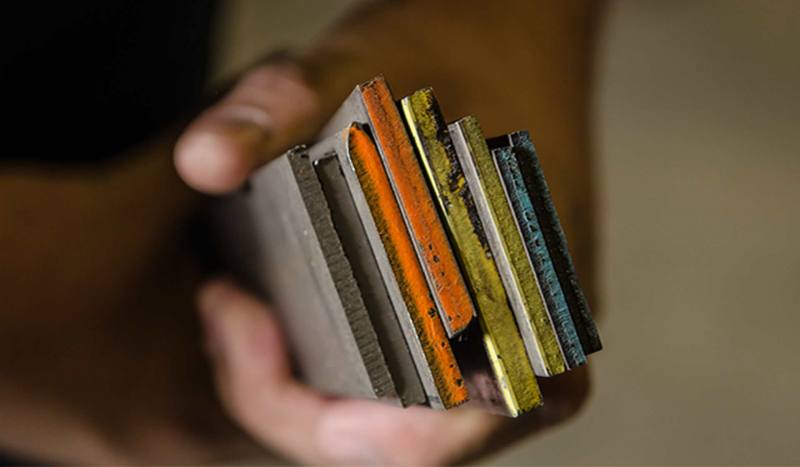
- It is a simple steel—primarily iron and carbon with small impurities of other elements. The high carbon content means it can be heat-treated to suitable hardness for cutting tools.
- 1095 is easy to work with, which means lower costs compared to some other steels. Having a knife you can afford is definitely a worthy consideration for any professional.
- It retains its sharpness for a long time. There are many steels with good chemical compositions, but they don't perform as well as 1095, and since the primary aim of a knife is to cut, it is obviously one of the most preferred.
- Easy to sharpen, with a hardness of about 57-58 on the Rockwell scale. This is the sweet spot where you get the best combination of edge retention without being too brittle. This hardness and chemical composition make it much easier to sharpen than many other steels, including some stainless ones.
- It's tough. You can make rugged knives from this steel. Since we make knives meant for use, this is important. Our differential heat treatment makes knives that hold an edge and are very tough. When a knife is made right from 1095 and used as intended, it will accomplish even the toughest tasks.
So, what are the cons of using 1095?
- It's not stainless steel, so it may rust if not properly cared for.
- Some steels provide better impact resistance.
- Some steels hold a better edge.
- Some have qualities like higher hardness and/or strength.
Nowadays, there are many steels, including some developed specifically for the knife industry. It all depends on what's important to the individual user. Considering almost all these other steels are more expensive, this should influence the buyer's decision.
Heat Treatment 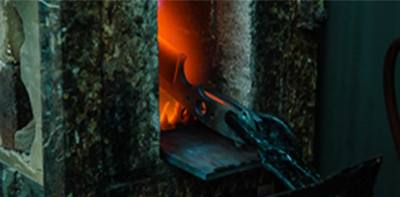
We can't finish this post without mentioning something less often discussed when talking about knife steels. The heat treatment of the blade is as important, if not more so, than the choice of steel itself. If 1095 is not properly heat-treated, a sturdy knife cannot be made. If it's too hard it will be brittle and the blade might chip or break. If it's too soft, it will round off or dent. We prefer to do differential heat treatment on 1095. This means that the part to be sharpened will have a hardness between 56 and 58 on the Rockwell scale, so the edge will hold. The spine of the knife will be softer, meaning there will be some flexibility—it can bend but will not break. This combination of a hard cutting edge and a softer spine makes the knife tougher as it can withstand lateral forces that some other blades cannot. It is also much better to have a blade that bends slightly under extreme load rather than breaking.
In the end, there is no steel in the world that surpasses all others in every regard. We use 1095 because, despite a few shortcomings, the expectations of professionals match ours on what a knife should be. See for yourself. Find our dealer and let TOPS be your next knife. You won't be disappointed.